

Lake Tahoe's Spring Awakening: What to Expect in 2026
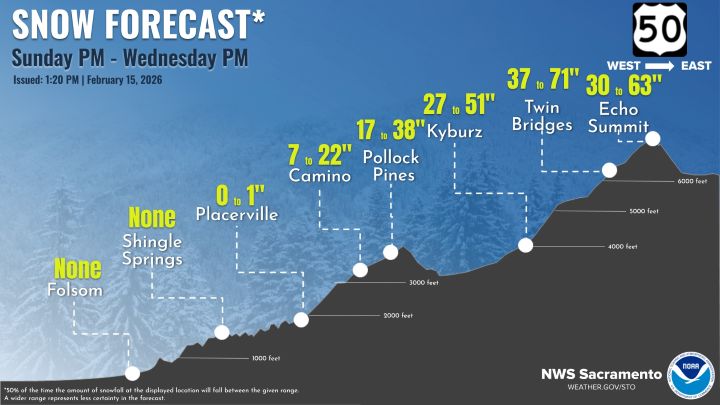
Spring 2026 in the Greater Lake Tahoe Area shows a varied snowpack. As of late March, forecast.weather.gov indicates average snow levels, a welcome change from recent droughts, though recent storms in the Sierra Nevada have boosted this. The full extent of the melt remains uncertain this far out.
Spring's transition will likely be gradual, mixing warm spells with late snow. Early hiking and biking are uncertain. Lower elevation trails should open by late April, but higher ones might stay snow-covered into May. Melt speed and precipitation will dictate timing. Checking local trail reports is essential before heading out.
Enjoying spring in Lake Tahoe means being prepared for anything. Layers are essential, as temperatures fluctuate dramatically. Monitor forecast.weather.gov and adjust plans as needed. While a perfect spring isn't guaranteed, early signs point to favorable outdoor recreation, though expect mud.
Snowpack and Runoff: A Critical Look at Water Levels
Snow water equivalent (SWE) in the Sierra Nevada significantly impacts summer water availability. As of late March 2026, SWE is around 85% of the historical average, according to forecast.weather.gov. This is positive but below the 2023 atmospheric river levels. Snowmelt is Lake Tahoe's primary water source, so this affects lake levels.
A healthy snowpack maintains optimal lake levels for boating and swimming. Rapid snowmelt, however, can cause flooding. Authorities monitor the situation and prepare for high river and stream levels. The timing and rate of snowmelt are important. A slow, steady melt is ideal for replenishing the lake and groundwater.
The way snow melts matters as much as the quantity. Warmer temperatures accelerate melting, increasing runoff and flood risk. Cooler, cloudy weather slows melt, providing a more sustainable summer water supply. Monitoring the long-range forecast helps understand these scenarios.
Temperature Trends: A Springtime Rollercoaster
Lake Tahoe's spring weather is notoriously unpredictable. One day might bring shorts and a t-shirt, the next a winter coat. The 7-day forecast from forecast.weather.gov predicts sunshine and showers, with highs in the 50s and lows in the 30s, but forecasts change quickly.
April highs average in the low 50s to low 60s, with lows in the 30s. May highs rise to the 60s and 70s. Late-season snowstorms are not uncommon, even in May. One May a few years ago saw significant snowfall that shut down ski resorts.
Microclimates significantly impact Lake Tahoe's spring weather. Temperatures vary based on elevation, aspect (slope direction), and proximity to the lake. South-facing slopes warm faster than north-facing ones, and areas near the lake experience a moderating effect.
- Check the forecast daily.
- Dress in layers.
- Be prepared for changing conditions.
Summer Forecast 2026: What to Expect for Peak Season
Long-range forecasts from forecast.weather.gov for summer 2026 suggest warmer-than-average temperatures. Precipitation is less certain, with a slight indication of drier conditions. This may mean water restrictions.
Warmer temperatures could increase water demand, impacting boating and swimming. Dry conditions also heighten wildfire risk. Local authorities will likely implement fire restrictions. Checking the local fire danger level before outdoor activities is advisable.
Predicting summer weather this far out is challenging. Broader climate patterns like El Niño and La Niña influence the region, but their impact is unpredictable. The current outlook suggests a neutral pattern, pointing to a more typical summer. Preparedness is always best.
The forecast may impact popular summer activities like boating, hiking, and swimming. Low lake levels could restrict boating, and fire danger might close hiking trails. Checking with local park services and tourism boards for the latest information is recommended.
Lake Tahoe Boat Rental Services Price Prediction 2026
Bull / Base / Bear scenario analysis for average daily rental rates
| Timeframe | Bull Case | Base Case | Bear Case | Key Driver |
|---|---|---|---|---|
| 1 Month (July 2026) | Kayak: $85, SUP: $75, Pontoon: $485, Speedboat: $625 | Kayak: $75, SUP: $65, Pontoon: $425, Speedboat: $550 | Kayak: $65, SUP: $55, Pontoon: $365, Speedboat: $475 | Peak summer demand and weather conditions |
| 3 Months (July-Sept 2026) | Kayak: $78, SUP: $68, Pontoon: $445, Speedboat: $575 | Kayak: $68, SUP: $58, Pontoon: $385, Speedboat: $500 | Kayak: $58, SUP: $48, Pontoon: $325, Speedboat: $425 | Extended season performance and tourism levels |
| 6 Months (July 2026-Jan 2027) | Kayak: $65, SUP: $55, Pontoon: $365, Speedboat: $475 | Kayak: $55, SUP: $45, Pontoon: $305, Speedboat: $400 | Kayak: $45, SUP: $35, Pontoon: $245, Speedboat: $325 | Seasonal decline and winter weather impact |
| 1 Year (July 2026-July 2027) | Kayak: $80, SUP: $70, Pontoon: $465, Speedboat: $595 | Kayak: $70, SUP: $60, Pontoon: $405, Speedboat: $520 | Kayak: $60, SUP: $50, Pontoon: $345, Speedboat: $445 | Annual tourism trends and economic conditions |
Price Prediction Summary
Lake Tahoe boat rental prices are expected to peak during July 2026 summer season, with premium watercraft commanding higher rates. Pricing will likely follow seasonal patterns with potential upside from strong tourism demand and favorable weather forecasts. Economic headwinds and competition may pressure rates in bear case scenarios.
Key Factors Affecting Lake Tahoe Boat Rental Services Stock Price
- Summer 2026 weather conditions and water levels
- Regional tourism recovery and visitor spending patterns
- Fuel costs and operational expense inflation
- Competition from new rental operators and capacity expansion
Disclaimer: Predictions are speculative and not financial advice. Stock price predictions are based on current market analysis and may vary significantly due to market volatility, economic conditions, and other unpredictable factors. Always do your own research before making investment decisions.
Lake Tahoe Water Temperatures: When Will It Be Warm Enough to Swim?
Historically, Lake Tahoe water temperatures typically reach swimmable levels (around 65-70°F) in late July or early August. This varies significantly with weather. A warm spring and early summer accelerate warming; a cool, wet spring delays it. Some years the water is comfortable by mid-July, others not until late August.
Water temperature is influenced by air temperature, sunshine, and lake currents. Shallow areas warm faster than deep ones, and coves are often warmer than the open lake. Wind patterns mix water and distribute heat. Local buoy data, if available, provides more accurate readings.
Even comfortable surface water temperatures mean deeper water remains very cold. Lake Tahoe is deep, and temperature drops dramatically with depth. Swim cautiously and avoid venturing too far from shore
Lake Tahoe Water Temperatures (Historical Averages & 2026 Prediction)
| Location | June (Historical Avg.) | July (Historical Avg.) | August (Historical Avg.) | July 2026 (Predicted) |
|---|---|---|---|---|
| South Lake Tahoe | 63°F | 67°F | 69°F | 68°F |
| Emerald Bay | 62°F | 66°F | 68°F | 67°F |
| Incline Village | 60°F | 64°F | 66°F | 65°F |
| Sand Harbor | 61°F | 65°F | 67°F | 66°F |
| Kings Beach | 60°F | 64°F | 66°F | 65°F |
| Tahoe City | 62°F | 66°F | 68°F | 67°F |
Illustrative comparison based on the article research brief. Verify current pricing, limits, and product details in the official docs before relying on it.
Wildfire Risk Assessment for Summer 2026
Wildfire risk is a serious concern in the Lake Tahoe region, and the summer of 2026 is likely to be no exception. Drier-than-average conditions, combined with abundant vegetation, could create a heightened risk. According to the National Weather Service, the primary factors contributing to wildfire risk include dry fuels, warm temperatures, and windy conditions.
Local fire departments are actively preparing for the fire season by conducting fuel reduction projects and educating the public about fire safety. Fire restrictions, such as bans on open fires and fireworks, are likely to be implemented as the fire danger increases. It’s crucial to stay informed about these restrictions and to follow them carefully.
You can find information on current fire restrictions and fire danger levels on the websites of local fire departments and the National Weather Service. It’s also important to be aware of your surroundings and to report any signs of smoke or fire immediately. Being prepared and vigilant is the best way to protect yourself and the community.
Planning Your Lake Tahoe Vacation: Resources and Links
Planning a Lake Tahoe vacation requires a bit of preparation, especially when it comes to weather. Here are some useful resources to help you plan your trip. For the most up-to-date weather information, visit forecast.weather.gov. This website provides detailed forecasts, including temperature, precipitation, and wind speed. It’s my go-to source for reliable weather data.
The Lake Tahoe Visitors Authority (https://www.visitlaketahoe.com/) is an excellent resource for information on accommodations, activities, and events. You can also find information on local parks and trails on the websites of the California State Parks and the U.S. Forest Service. Booking accommodations and tours in advance is highly recommended, especially during peak season.
Remember to practice responsible tourism and minimize your impact on the environment. Pack out all your trash, stay on designated trails, and respect the local wildlife. Lake Tahoe is a beautiful and fragile ecosystem, and it’s our responsibility to protect it. Be aware of fire restrictions and adhere to all safety guidelines.
Finally, consider purchasing travel insurance to protect yourself against unforeseen circumstances, such as flight cancellations or medical emergencies. Having a little extra peace of mind can make your vacation even more enjoyable.
The @vibecodeapp team.
— Riley Brown (@rileybrown) January 14, 2026
Lake Tahoe, 2026.
Team Offsite.
Planning.
The next three months… will be absurd. pic.twitter.com/ZHqZXvti9x
No comments yet. Be the first to share your thoughts!