

Where to stay in Lake Tahoe
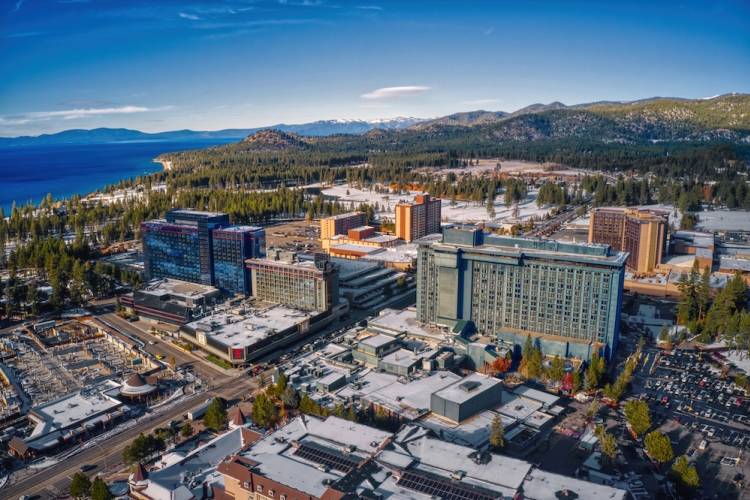
Choosing between South Lake Tahoe and North Lake Tahoe depends on your priorities for nightlife, dining, and outdoor access. South Lake Tahoe offers high-energy resorts, casinos, and convenient access to Heavenly Ski Resort, while North Lake Tahoe provides quieter coves, upscale cabins, and a more relaxed atmosphere.
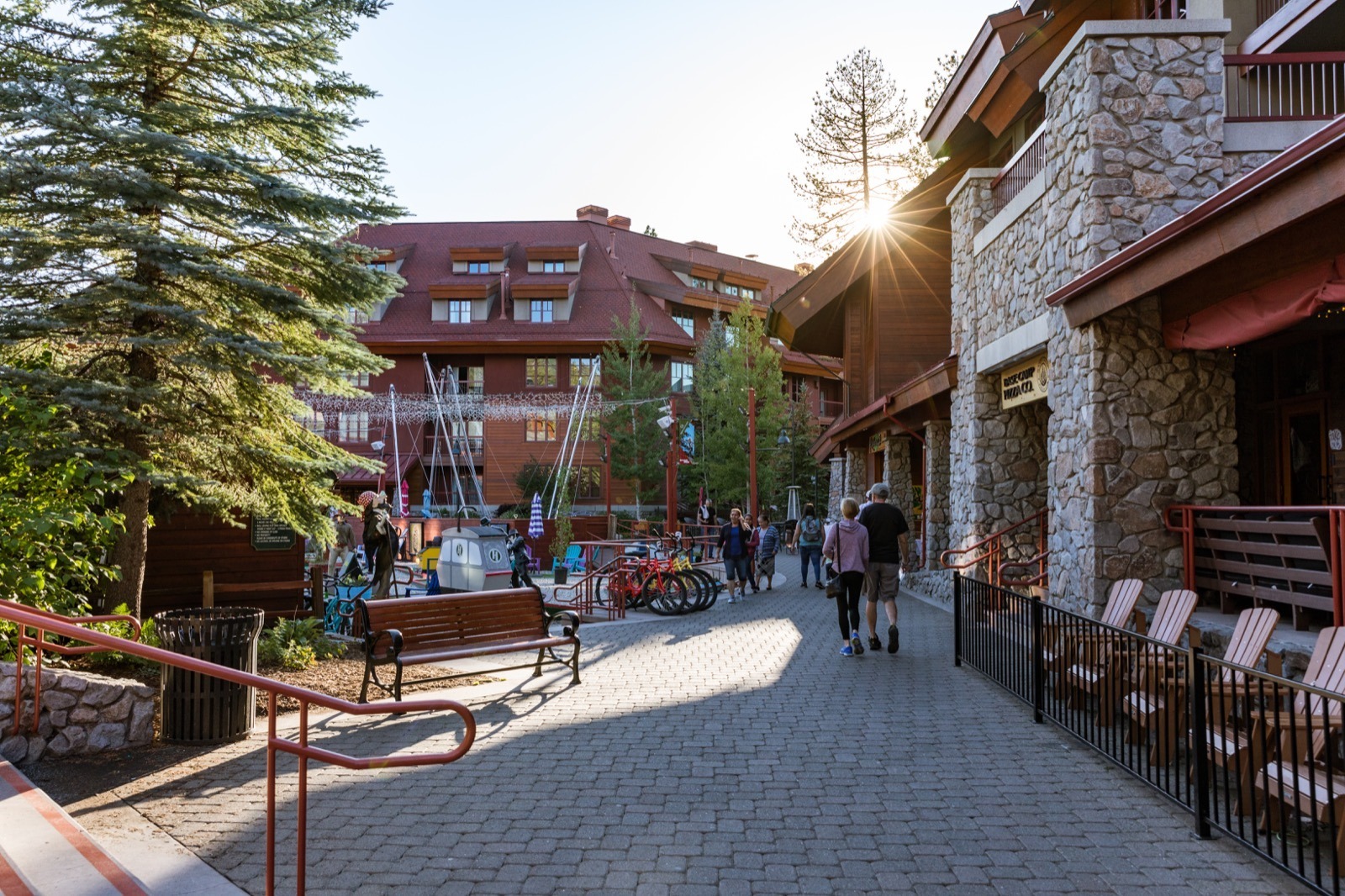
South Lake Tahoe is the hub for nightlife and major beach access. You’ll find high-rise hotels and bustling restaurants along Lake Tahoe Blvd. It is the best base if you plan to hit Heavenly Village or catch a concert. Parking can be tight during peak summer weekends, so arriving early is advisable.
North Lake Tahoe, encompassing areas like Incline Village and Tahoe City, is ideal for scenery and tranquility. The shoreline here is dotted with smaller, independent lodges and vacation rentals. It’s perfect for families or anyone who prefers hiking trails that start right outside their door. The vibe is slower, and sunsets over the Sierra Nevada are often more dramatic from this side.
| Feature | South Lake Tahoe | North Lake Tahoe |
|---|---|---|
| Vibe | Lively, resort-heavy, nightlife | Relaxed, scenic, tranquil |
| Best For | Beachgoers, skiers, party-goers | Hikers, families, quiet retreats |
| Accommodation | Large hotels, casinos, condos | Cabins, boutique lodges, villas |
| Crowd Level | High, especially weekends | Moderate, more spread out |
| Dining | Chain restaurants, diverse options | Local favorites, farm-to-table |
Hikes and Water Sports on Lake Tahoe
Lake Tahoe offers a dual experience where the mountain air meets the alpine lake. Summer days are ideal for splitting time between high-elevation trails and the cool, turquoise water below. The temperature usually hovers between 69 and 77 degrees Fahrenheit, making it comfortable for both strenuous hiking and water-based recreation.
Hiking the Sierra Nevada Trails
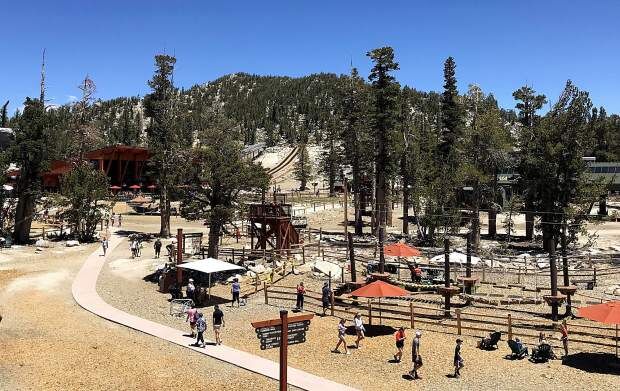
The trails around Lake Tahoe provide some of the most scenic hikes in the Sierra Nevada range. For a moderate challenge with rewarding views, the Eagle Falls Trail is a popular choice. This route starts near the north shore and leads to a powerful waterfall, offering a quick escape from the heat.
For those seeking a longer adventure, the Mount Tallac Trail is a standout. It climbs over 2,000 feet to provide panoramic views of the entire lake basin. The trail is roughly 11 miles round-trip and requires good physical conditioning. Start early to avoid afternoon thunderstorms, which are common in the summer months.
Paddling the Crystal Waters
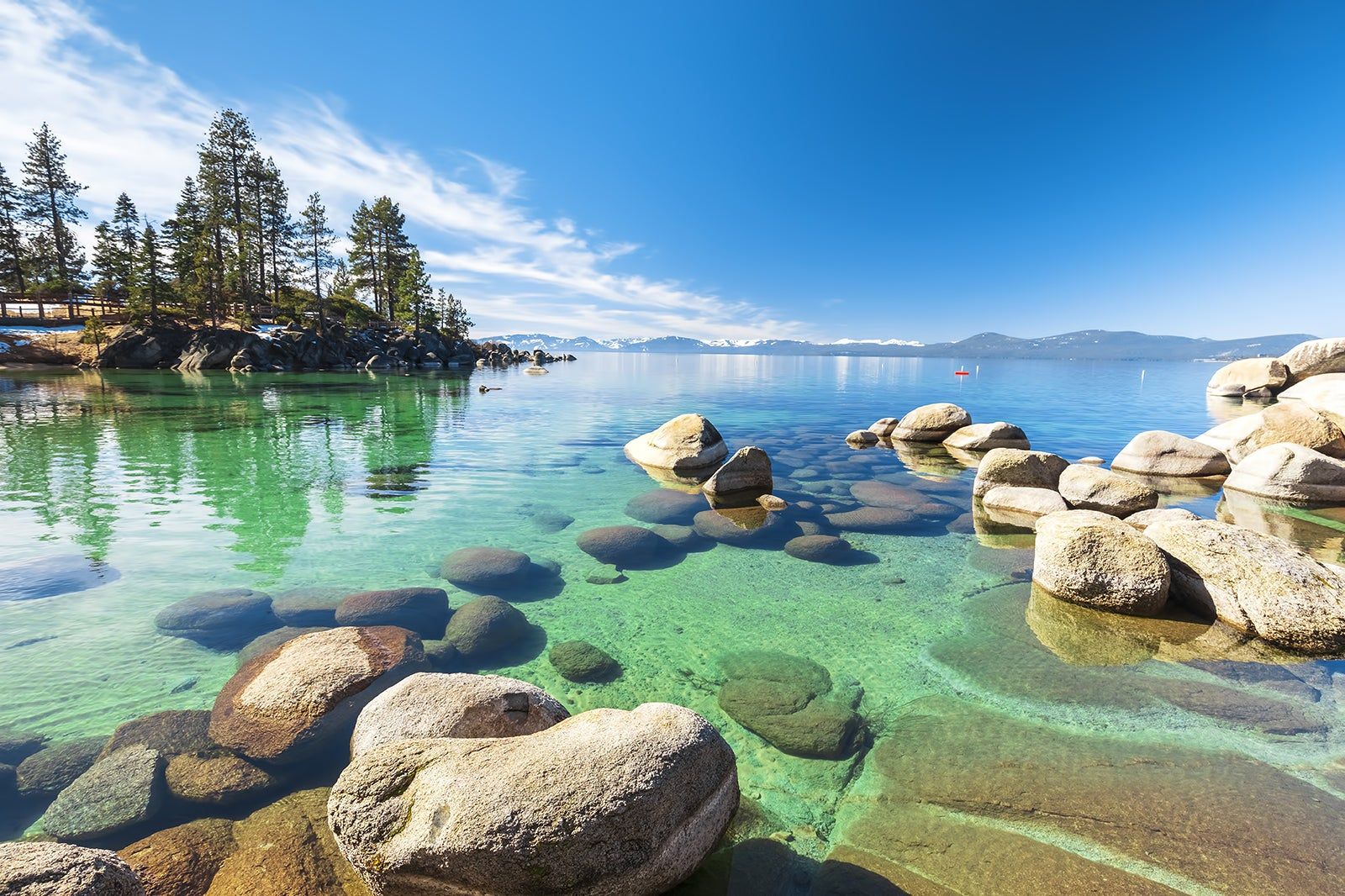
Lake Tahoe is exceptionally clear, with visibility often exceeding 100 feet. This makes it a premier destination for stand-up paddleboarding (SUP) and kayaking. The calm mornings are best for paddling, especially around Emerald Bay, where you can glide past historic sites and rocky outcrops.
Rentals are widely available at public beaches like Sand Harbor and Meeks Bay. While the air is warm, the water remains cold year-round, even in peak summer. Most paddlers wear wetsuits or rash guards for comfort and protection against the chill. Bring plenty of water and sunscreen, as there is little shade on the open water.
Where to eat in Lake Tahoe
Lake Tahoe’s dining scene is as varied as its geography, shifting from rustic cabins in the north to vibrant resort hubs in the south. Whether you are craving a quick bite after a hike or a long, leisurely dinner with a view, the region offers distinct culinary experiences that reflect the mountain lifestyle.
South Shore: Casual Lakeside and Resort Dining
The South Shore, centered around South Lake Tahoe, offers the most accessible lakeside dining. Here, you can find casual spots where the menu changes with the seasons, often featuring fresh, local ingredients. Restaurants like the Tahoe City Public House are staples for their hearty burgers and extensive beer lists, perfect for refueling after a day on the water. For a slightly more upscale experience, the Edgewood Tahoe offers fine dining with panoramic views, though reservations are essential for weekend evenings.
Expect to pay $15–$25 for a main course at mid-range spots, while resort dining can run $40–$60 per person. Many lakeside venues operate on a first-come, first-served basis for patio seating, so arriving before 5:30 PM is advisable during peak July and August weekends. If you are staying in South Lake Tahoe, the Heavenly Village area clusters several highly-rated cafes and pubs within walking distance of the slopes.
North Shore: Rustic Cabins and Incline Village
Heading north to Incline Village and Crystal Bay, the vibe shifts to a more polished, resort-style atmosphere. This area is known for its high-end steakhouses and seafood restaurants that cater to a wealthier demographic. Places like The Lakeview at Edgewood (straddling the border) or the restaurants in the Edgewood Golf Club offer exceptional service and views of Lake Tahoe’s clearest waters. The North Shore also boasts a surprising number of craft breweries, such as the Tahoe Brewing Company in Tahoe City, which bridges the gap between casual and craft.
Dining here tends to be pricier, with entrees often exceeding $35. However, the quality of ingredients and the setting justify the cost for many visitors. Reservations are highly recommended, especially for Friday and Saturday nights. If you are driving from the South Shore, allow extra time for traffic on Highway 28, which can become congested during summer evenings.
Local Favorites and Hidden Gems
Beyond the resort areas, local favorites often hide in plain sight. In South Lake Tahoe, the town center offers a mix of chain restaurants and local eateries, but the real gems are often found in the surrounding neighborhoods. Look for family-owned pizzerias and taco shops that serve authentic Mexican and Italian food at reasonable prices. These spots are popular with locals and offer a more authentic taste of the region’s culture.
Don’t overlook the breakfast and brunch scene, which is a significant part of the Lake Tahoe experience. Many cafes offer hearty portions to fuel a day of hiking or biking. Whether you choose a fluffy pancake stack at a lakeside diner or a quick coffee and pastry at a mountain trailhead cafe, the food is part of the adventure. Always check opening hours, as some smaller establishments may have limited hours during the off-season or even summer weekdays.
Lake Tahoe weather and planning tips
Summer in the Sierra Nevada offers a distinct rhythm compared to lowland resorts. High temperatures typically hover between 69 and 77 degrees Fahrenheit, creating ideal conditions for hiking and sightseeing. However, mountain weather is notoriously fickle. A sunny morning can quickly turn into a thunderstorm by afternoon, so checking the daily forecast before heading to high elevations is essential.
The lake itself presents a different challenge. Despite the warm air, Lake Tahoe water remains cold, often staying below 60 degrees Fahrenheit even in peak summer. This temperature shock can lead to rapid fatigue or cramping for swimmers. If you plan to paddle or swim, bringing a wetsuit or at least quick-dry layers is a practical necessity rather than a luxury.
Wildlife safety is another practical concern. Black bears are the only bear species in the region, and while they are generally timid, they are wild animals attracted to food sources. Store all scented items, including food and toiletries, in provided bear lockers or vehicles. Never leave food unattended at trailheads or picnic areas, as this habituates bears to human presence and endangers both visitors and the animals.
Planning your trip around these factors ensures a safer experience. Start early to avoid afternoon storms and crowds, respect wildlife guidelines, and dress for the cold water. These small adjustments allow you to focus on the stunning scenery and activities that make Lake Tahoe a premier summer destination.
Lake Tahoe summer spots map
Use this interactive map to visualize the geography of Lake Tahoe and plan your route between the major activity hubs. The lake stretches roughly 22 miles long and 12 miles wide, so understanding the distance between the North and South shores is essential for efficient trip planning.
Key locations marked include South Lake Tahoe, the gateway to hiking and nightlife; Emerald Bay State Park, featuring the iconic Vikingsholm castle and dramatic cliffs; Sand Harbor on the east shore, known for its granite boulders and clear water; and Incline Village in the north, offering upscale dining and sandy beaches. Grouping your activities by these geographic clusters will save you significant driving time during your visit.
Lake Tahoe Trip Checklist
A summer trip to Lake Tahoe is less about heavy luggage and more about smart layering. The mountain climate shifts rapidly, and water activities require specific gear. Use this checklist to ensure you’re ready for everything from high-altitude hiking to afternoon swims.
UV intensity is extreme at 6,200 feet. Pack SPF 50+ sunscreen, polarized sunglasses, and a wide-brimmed hat. Mosquitoes can be thick near shorelines in early summer, so bring DEET-based repellent or permethrin-treated clothing.
Temperatures drop quickly after sunset. Pack a light fleece or puffer jacket even in July. For hiking, wear moisture-wicking base layers and sturdy trail shoes. If you plan to swim, bring a swimsuit; the water stays near 60°F year-round.
Whether renting a paddleboard or jet ski, bring a dry bag for your phone and keys. Many rentals provide life jackets, but having your own wetsuit or water shoes is wise for rocky beaches and cold water entry.
Popular trails like Eagle Falls and Emerald Bay require early arrival or permits during peak season. Book dining reservations and campsite spots weeks in advance. Check the Lake Tahoe Resort Association for real-time road and weather alerts.
No comments yet. Be the first to share your thoughts!