
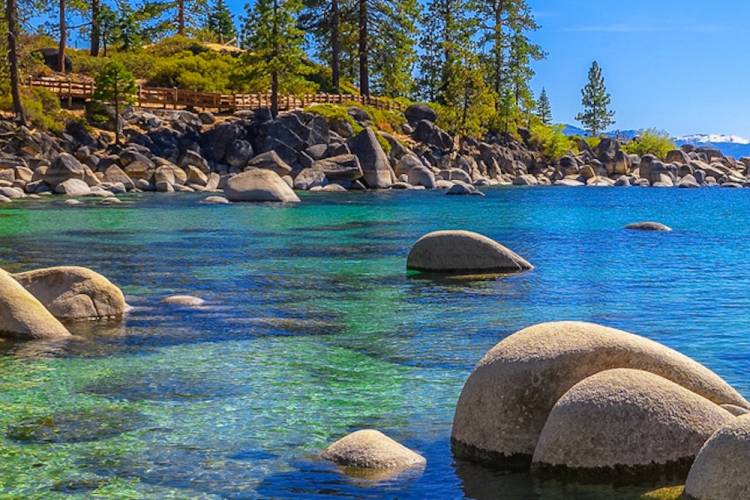

Pack for high altitude sun
The sun at Lake Tahoe doesn't just shine; it strikes with a force that catches most visitors off guard. At an elevation of roughly 6,200 feet, UV radiation is significantly more intense than at sea level. Standard beach sun protection, calibrated for coastal humidity and lower altitudes, simply isn't enough to keep you safe during a day of hiking or boating on the lake.
This intensity means that the sunscreen you might rely on for a trip to Florida will wear off much faster here. The combination of high UV index and the reflective surface of the water creates a dual exposure risk. You need gear specifically designed for high-altitude environments, where sweat evaporates quickly and reapplication is often forgotten until it's too late.
To stay protected, prioritize sun protection gear that offers both high SPF ratings and physical barriers. Look for hiking shirts with UPF 50+ ratings, wide-brimmed hats that shade your neck, and sunglasses that block 100% of UVA and UVB rays. These items are not just accessories; they are essential tools for enjoying Lake Tahoe's summer activities without the aftermath of severe sunburn.
Sturdy boots for rocky trails
Lake Tahoe’s granite terrain is beautiful but unforgiving. The trails around Emerald Bay and the Desolation Wilderness are paved with loose scree and sharp rock faces that can quickly wear down thin soles or slip on dry dust. Choosing footwear that balances grip with breathability is essential for staying comfortable during those long summer hikes where temperatures can climb rapidly.
Waterproofing is a common trap in mountain gear. While you might want protection from morning dew or a sudden squall, full waterproof membranes often trap sweat inside during a vigorous climb. For summer conditions, a breathable trail runner or a boot with a breathable membrane usually keeps your feet drier and lighter than a fully sealed leather hiker.
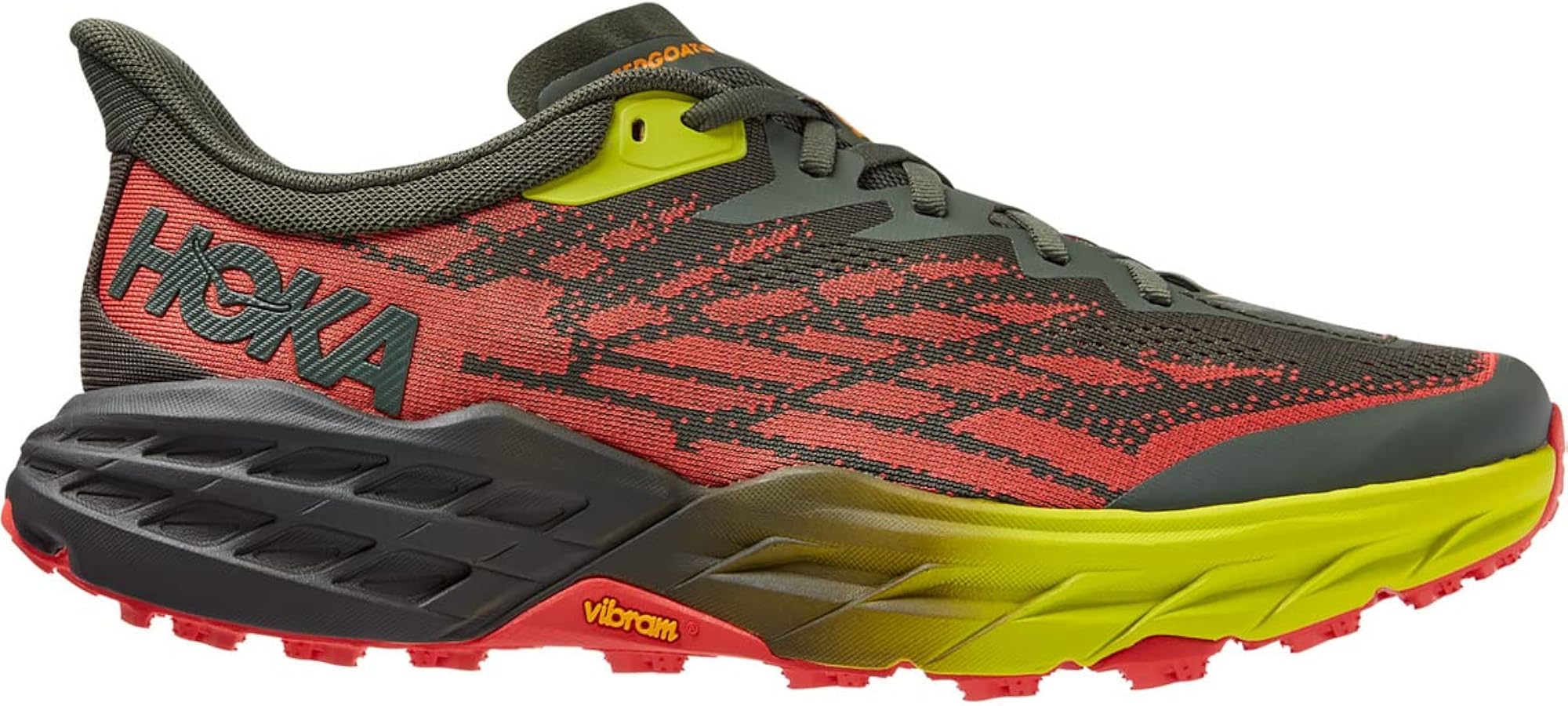
Here are three reliable options available on Amazon that handle Tahoe’s specific trail conditions well.


As an Amazon Associate, we may earn from qualifying purchases.
When testing these boots on local trails, look for a lugged outsole that can bite into both hard-packed dirt and loose gravel. The Vibram Megagrip compound found in the Hoka and Salomon options is particularly effective on the dry, dusty granite common in South Lake Tahoe. If you plan to mix hiking with boating, the Salomon’s quick-lace system and lighter weight make it easier to transition between the trail and the water without removing your shoes entirely.
Kayaks and paddleboards for the lake
Lake Tahoe’s clear waters invite paddling, but you face a choice between renting on-site or bringing your own gear. Rentals offer convenience for a few hours, yet they lack the flexibility to explore remote coves or set your own pace. Bringing personal equipment means you can launch early to beat the crowds and return whenever you choose, making it a better investment for multi-day summer trips.
The best personal gear for Tahoe balances durability with portability. Inflatable kayaks and paddleboards have become the preferred choice for many visitors. They fit in a car trunk, survive the rocky shorelines, and handle the lake’s variable summer winds. Below, we compare the key features of top-rated options to help you decide what fits your needs.
If you decide to buy, focus on items that handle Tahoe’s specific conditions. You need gear that resists UV exposure from the high-altitude sun and materials that can withstand rocky entry points. The following products are top-rated choices for those looking to purchase their own equipment for the lake.


As an Amazon Associate, we may earn from qualifying purchases.
How to layer for mountain weather shifts
Lake Tahoe’s summer climate is deceptive. You might start a morning hike in a t-shirt, but by late afternoon, temperatures can plummet as you gain elevation or as storm clouds roll in from the Sierra Nevada. The air is also thin and dry, meaning UV exposure is intense even when it feels cool. Relying on a single jacket is a mistake; you need a system that lets you shed or add layers quickly.
The base layer should manage sweat rather than just provide warmth. During active pursuits like hiking the Rubicon Trail or kayaking on the lake, cotton is your enemy. It holds moisture and leaves you chilled when the wind picks up. Instead, choose a merino wool or synthetic blend t-shirt. These materials wick moisture away from your skin and retain some insulating value even when damp. Look for options with odor-resistant treatments, as you’ll likely wear them for multiple days without washing.
For the mid-layer, a lightweight fleece or a packable down vest offers the best balance of warmth and portability. You don’t need heavy insulation for July, but a thin fleece pulls double duty: it keeps you comfortable during a cold lunch break and serves as your primary warmth source if a sudden summer thunderstorm hits. Down vests are ideal for boating because they allow full arm movement while protecting your core from wind chill on the water. If you choose synthetic insulation, it will dry faster if it gets rained on, but down offers better warmth-to-weight ratio for dry conditions.
Your outer shell must be windproof and waterproof. Tahoe summer storms can arrive with little warning, bringing hail and strong gusts. A lightweight, breathable rain jacket is non-negotiable. It should have sealed seams and adjustable cuffs to keep rain out. This layer goes into your pack regardless of the morning forecast. You can also use a long-sleeve sun shirt as a mid-layer if the afternoon sun is fierce, but ensure it has a hood to protect your neck from UV rays.
Checklist for your day pack:
- Moisture-wicking base layer (merino or synthetic)
- Lightweight fleece or packable down vest
- Windproof and waterproof rain shell
- Sun hat with a chin strap (for wind)
- Lightweight gloves (for early mornings or high-elevation peaks)
Don’t forget that temperature drops are most pronounced after sunset. If you’re planning an evening dinner on a patio or a night hike, the air temperature can drop 20-30 degrees from midday highs. Having that extra layer accessible in your pack ensures you stay comfortable without carrying unnecessary weight during the heat of the day.
No comments yet. Be the first to share your thoughts!