

What the budget buys
Lake Tahoe’s summer season operates on a simple rule: money buys convenience and proximity, not exclusivity. The lake is public, and the water is free, but the infrastructure surrounding it is priced for peak demand. If you are visiting in July or August, your budget will primarily determine how close you sleep to the shore and how easily you secure a parking spot.
The Proximity Premium
Staying in South Lake Tahoe or Tahoe City puts you within walking distance of major beaches like Sand Harbor or Meeks Bay. This convenience comes at a steep price. A standard hotel room near the water often exceeds $300 a night during peak weekends. If your budget is tighter, look at towns 15–20 minutes away, like Stateline or Kings Beach. You save on lodging but add gas and time to your daily routine. The tradeoff is real: a longer drive often means missing the best morning light on the water.
Gear and Food Costs
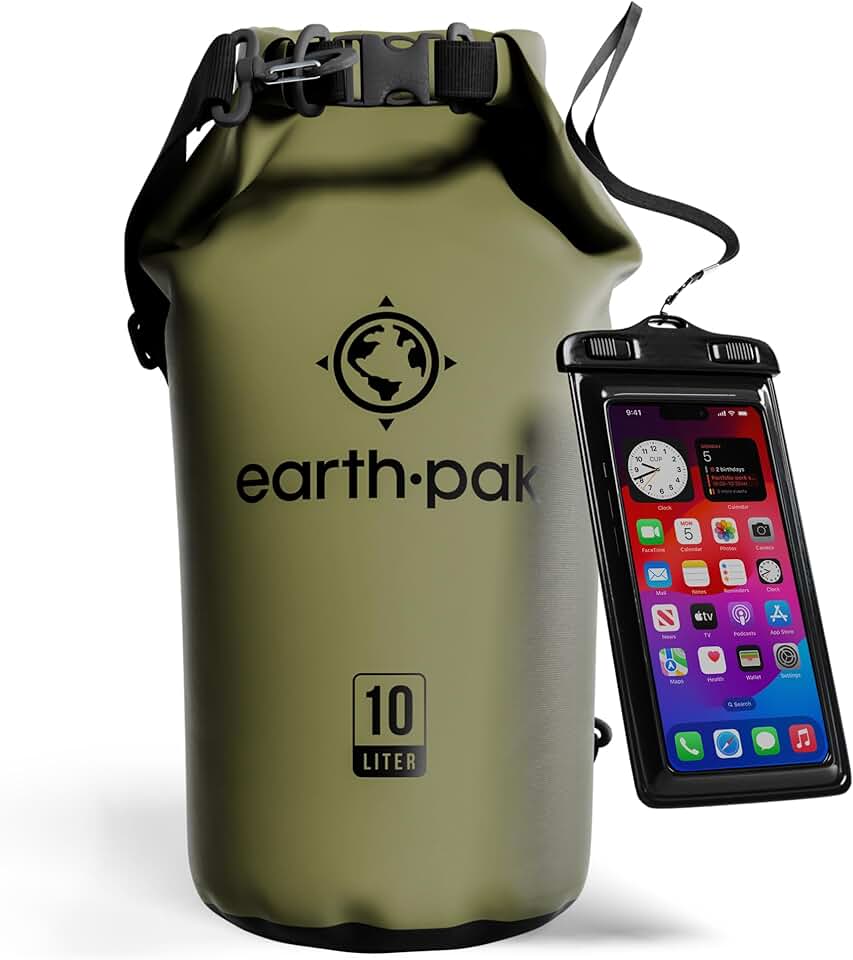
Many visitors underestimate the cost of equipment. Renting a kayak or paddleboard from a lakeside vendor can run $40–$60 per day. Buying your own gear is cheaper for groups but requires storage. Food costs are similarly inflated. Grocery shopping at a Walmart in Incline Village is significantly cheaper than eating at restaurants with lake views. Pack lunches for beach days; the markup on sunscreen, snacks, and drinks at lakeside kiosks is substantial.
Age and Condition Tradeoffs
Older cabins in the woods often offer more space for less money than new condos near the highway. However, older properties may lack modern insulation, making nights chilly even in summer. Newer builds offer comfort but often feel generic. Check recent reviews for mentions of Wi-Fi reliability and parking availability, as these are the most common pain points for budget travelers in the area.

As an Amazon Associate, we may earn from qualifying purchases.
Models worth checking first
When planning a summer trip to Lake Tahoe, relying on a single weather source is risky. The Sierra Nevada microclimate shifts rapidly, and no single model captures the full picture. Instead, cross-reference three primary tools: the National Weather Service for official alerts, AccuWeather for detailed hourly breakdowns, and specialized snow/water trackers for elevation-specific conditions.
The National Weather Service (NWS) remains the most reliable source for immediate safety concerns. Their forecasts are grounded in real-time radar data and official government modeling. For summer visitors, this means accurate lightning risk assessments and heat advisories. Check their site before heading out for any high-elevation hikes.
For general planning, AccuWeather provides granular hourly forecasts that are easier to digest for casual travelers. Their "MinuteCast" feature offers minute-by-minute precipitation predictions, which is useful for sudden afternoon thunderstorms common in the Tahoe basin. However, always treat their long-range outlooks with caution, as accuracy drops significantly beyond seven days.
| Source | Best For | Update Frequency | Reliability | Cost |
|---|---|---|---|---|
| National Weather Service | Safety alerts & official warnings | Real-time | Very High | Free |
| AccuWeather | Hourly planning & MinuteCast | Every 15 mins | High | Free |
| Tahoe Snow Tracker | Snow levels & water year data | Daily | High | Free |
| Weather Underground | Hyperlocal community sensors | Every 5 mins | Medium | Free |
Avoid relying solely on social media snippets or Instagram trends for critical planning. While they can offer a visual snapshot of current conditions, they lack the predictive power of meteorological models. Use them for inspiration, not for deciding whether to pack rain gear or sunscreen.
For those interested in the financial impact of weather on local tourism, tracking seasonal trends can provide insight into lodging prices. While not a direct weather forecast, understanding the correlation between weather patterns and visitor volume can help you plan a more cost-effective trip.
Check before you buy
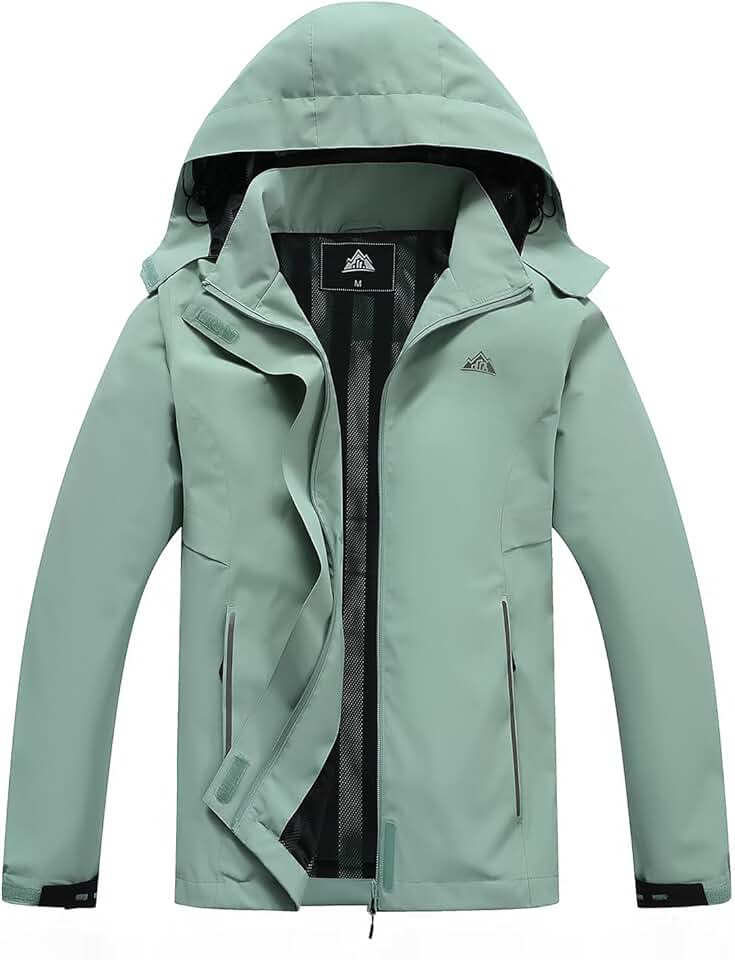
Lake Tahoe weather is unpredictable, even in summer. A sunny morning can turn into a sudden downpour or a flash of lightning over the peaks. Buying gear for this environment means preparing for rapid shifts rather than steady conditions. Use this checklist to inspect your equipment before you head to the shore.


As an Amazon Associate, we may earn from qualifying purchases.
Costs that change the math
A lower purchase price rarely means a lower cost of ownership in the Lake Tahoe market. The high-altitude environment acts as a tax on everything you bring in. UV intensity, freezing-thawing cycles, and heavy snow loads degrade materials faster than in lower elevations. A tent that lasts three seasons in California might need replacing in one year here.
Maintenance is where the budget usually breaks. Snow removal is not just about shoveling; it requires durable equipment and often professional services for driveways and roofs. Roof repairs are expensive due to access difficulties and the need for specialized contractors familiar with snow loads. Even simple tasks like clearing gutters become hazardous and costly.
Insurance premiums reflect these risks. Standard policies often exclude flood damage, which is relevant given the lake's fluctuating levels and spring runoff. You may need additional coverage for debris flow or mudslides, which adds to the annual carrying cost. A cheap cabin can quickly become a financial burden when you factor in these hidden operational expenses.
Common questions about Lake Tahoe weather in 2026
Planning a trip to Lake Tahoe requires understanding how quickly mountain weather shifts. The 2026 season has shown record warmth in winter, but that does not mean summer is guaranteed to be dry or that late-season snow is impossible. Here are the practical answers to the most frequent questions visitors ask before booking.
The key is flexibility. Whether you are chasing sun or snow, the mountains do not follow a strict calendar. Pack layers, check the hourly forecast, and be prepared for the unexpected.
No comments yet. Be the first to share your thoughts!