

A visual forecast
Spring in Lake Tahoe is unpredictable. You might spend one afternoon in a t-shirt and the next morning shoveling a foot of fresh snow. The transition from winter isn't a straight line; it's a messy mix of melt and sudden storms.
Expect sunshine, rain, and snow within the same week. Temperatures and precipitation vary wildly depending on your elevation, so planning for 2026 requires preparing for every version of spring at once.
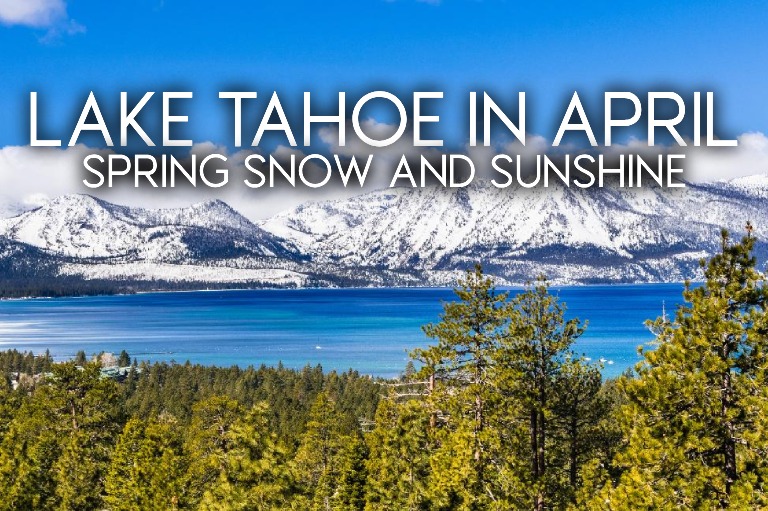
April snowpack and surprises
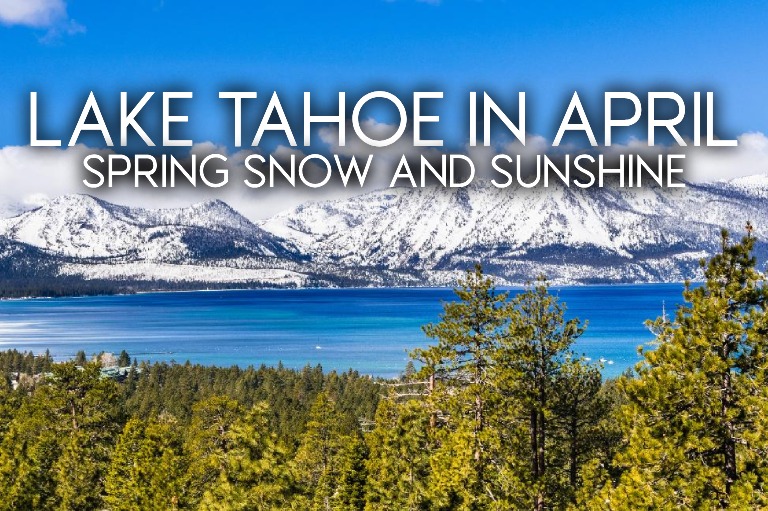
April in Lake Tahoe is a bit of a gamble. While the days are getting longer and the sun feels warmer, the remnants of winter still hold a strong grip. According to forecast.weather.gov, average high temperatures in April range from the low 50s to the low 60s Fahrenheit, while lows dip into the 30s. Precipitation is still fairly common, averaging around 2-3 inches for the month.
The biggest factor in April weather is the snowpack. A heavy winter means a potentially prolonged spring runoff, impacting hiking trails and potentially causing delays or closures on roads. Late-season snowstorms are absolutely possible, and even probable some years. In 2023, for example, Lake Tahoe saw significant snowfall well into April, disrupting travel plans and extending the ski season.
Don't assume mild temperatures. Some Aprils are relatively dry and warm, but others can be cold and wet. It's essential to check the forecast frequently before your trip and be prepared for a range of conditions. Road conditions can change rapidly, and a seemingly sunny forecast can quickly turn into a snowstorm. That's why flexibility is key when visiting in April.
The lingering snowpack makes for stunning scenery, but also affects accessibility. Some trails may remain snow-covered, requiring snowshoes or microspikes. And be mindful of avalanche danger in higher elevations, even in April. Checking conditions with the local ranger station is always a good idea.
May wildflowers and warming
May marks a noticeable shift towards warmer and drier conditions in Lake Tahoe. Average high temperatures climb into the 60s and even 70s Fahrenheit, and lows generally stay above freezing. Precipitation decreases significantly, averaging around 1-2 inches for the month. This is when the lake really starts to wake up.
The most visible sign of spring in May is the explosion of wildflowers. Trails around the lake become carpeted with lupine, paintbrush, and other colorful blooms. This makes May a particularly popular time for hiking, but be aware that trails can still be muddy in places due to snowmelt. A checklist of essentials is a good idea: sturdy hiking boots, layers of clothing, sunscreen, and plenty of water.
As the weather warms, the lake water temperature begins to rise, though it remains quite cold – typically in the 50s Fahrenheit. This is when water sports start to gain popularity, with kayaking, paddleboarding, and boating becoming increasingly common. However, cold water shock is a real risk, so always wear a life jacket and consider a wetsuit, especially early in the month.
May also brings the potential for afternoon thunderstorms as the mountains warm up. These storms can develop quickly and bring heavy rain, lightning, and even hail. It's important to be aware of the forecast and seek shelter if a thunderstorm approaches.
- Pack sturdy boots and layers, as trails are often a mix of dry dirt and deep mud. You'll also need sunscreen and a map, as GPS can be spotty in the canyons.
- Layers of clothing
- Sunscreen
- Plenty of water
- Map and compass/GPS
Microclimates around the lake
Lake Tahoe’s topography creates a complex web of microclimates. Elevation is the biggest driver of these variations. The lake itself moderates temperatures somewhat, but the surrounding mountains experience much colder conditions, especially at higher elevations. For example, South Lake Tahoe, at around 6,225 feet, will generally be warmer than the ridges above it.
Precipitation also varies with elevation. Higher elevations typically receive more snowfall, and snowmelt contributes to runoff that can impact trails and waterways. Areas on the leeward side of the mountains (protected from the prevailing winds) tend to be drier and warmer, while windward slopes receive more moisture.
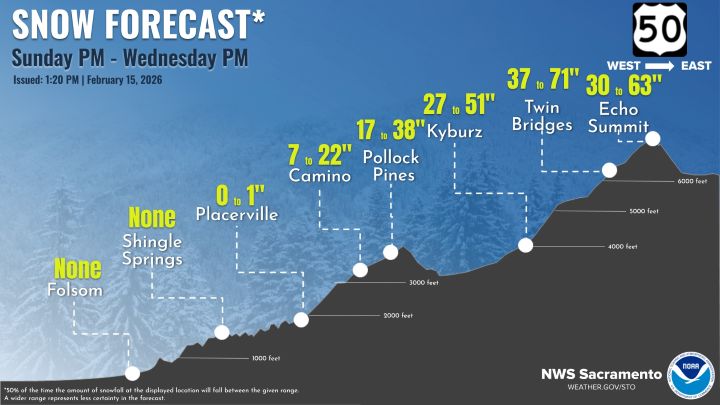
This means that conditions can change dramatically within a short distance. You might experience sunshine and warm temperatures at the lake level, while encountering snow and cold winds just a few miles up the mountain. It’s crucial to check the forecast for your specific destination and be prepared for varying conditions.
Roads and travel
Spring travel around Lake Tahoe can be challenging. Lingering snow and ice, combined with potential mudslides, can lead to road closures and delays. Highway 89, for example, is often affected by snow and rockslides in the spring. Checking road conditions before you travel is absolutely essential.
Check the Caltrans website for real-time chain requirements. These rules change fast during spring squalls. If you're carrying chains, make sure you actually know how to put them on before you're stuck on the side of Highway 89 in the dark.
Be prepared for potential delays and pack extra food, water, and warm clothing in your vehicle. Consider traveling during daylight hours, especially if you're unfamiliar with the area. And if a storm is forecast, it's best to postpone your travel plans if possible. Safety first!
Spring Road Conditions in the Lake Tahoe Area
| Elevation | Snow | Ice | Mudslides | Flooding |
|---|---|---|---|---|
| Lake Level (6,225 ft) | Low | Low | Low | Moderate |
| 6,000 - 8,000 ft | Moderate | Moderate | Moderate | Low |
| Above 8,000 ft | High | High | Moderate | Low |
| April - Early May | Moderate to High | Moderate | Low to Moderate | Moderate |
| Late May | Low to Moderate | Low | Low | Low |
| South Lake Tahoe Area | Low | Low | Low | Moderate |
| North Lake Tahoe Area | Moderate | Moderate | Low | Low |
Illustrative comparison based on the article research brief. Verify current pricing, limits, and product details in the official docs before relying on it.
Water temperatures and safety
Lake Tahoe’s water temperatures remain cold throughout April and May. In early April, the water temperature is typically in the low 40s Fahrenheit. By late May, it may reach the low 50s, but it varies significantly depending on the weather and the depth of the lake. This cold water presents risks for anyone engaging in water sports.
Cold water shock is a serious concern. Even strong swimmers can experience difficulty breathing and muscle cramps in cold water. Always wear a life jacket, and consider wearing a wetsuit or drysuit for added protection. Swimming is generally not recommended until the water temperature reaches at least 60 degrees Fahrenheit.
Marinas and water sports rental businesses typically begin to open in May, but opening dates vary depending on the weather and lake conditions. Check with individual businesses for their specific schedules. Kayaking, paddleboarding, and boating are all popular activities, but always prioritize safety and be aware of the risks.

No comments yet. Be the first to share your thoughts!