

Tahoe's tourism and preservation balance
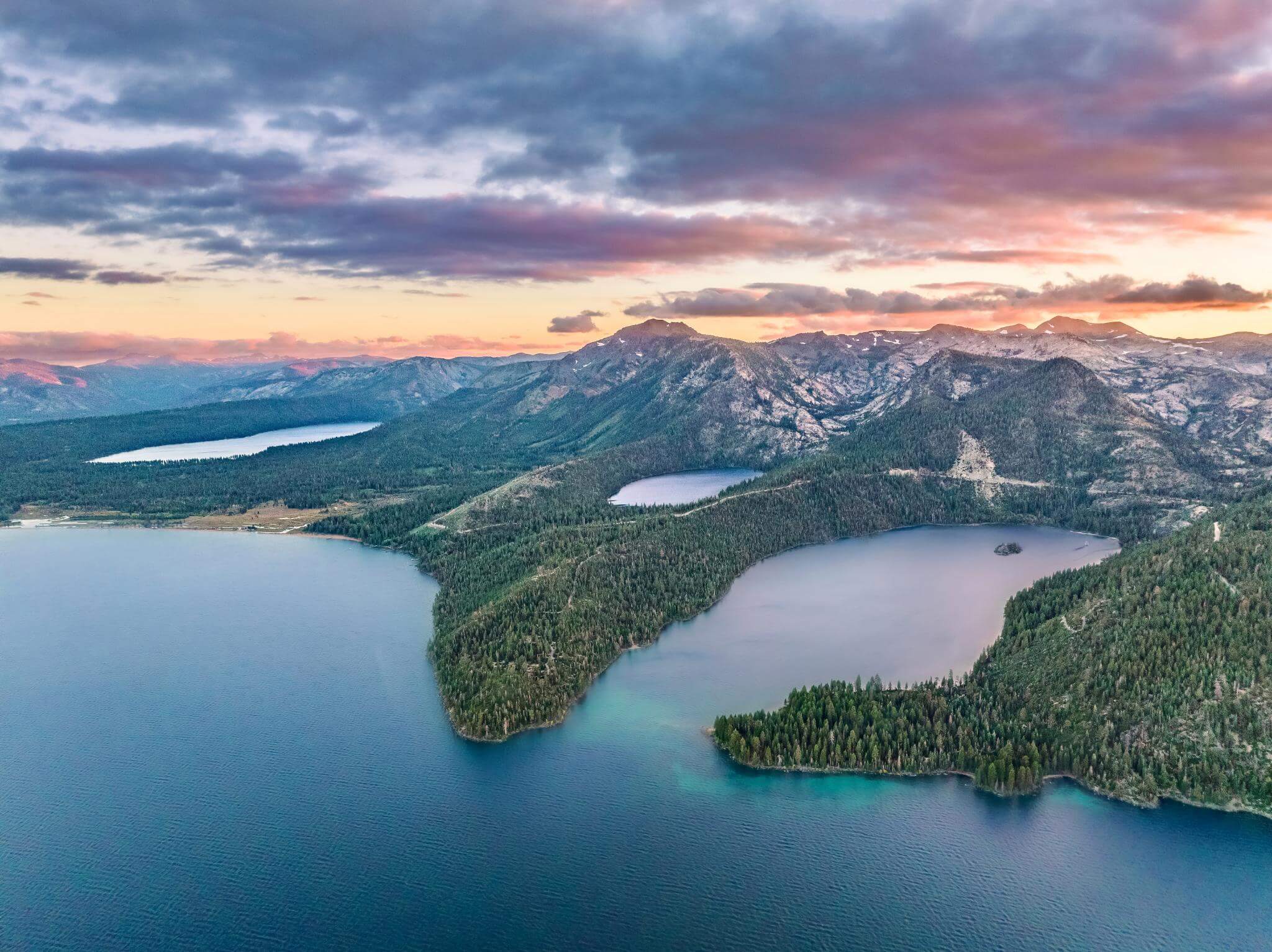
Lake Tahoe draws millions of visitors every year for its clear water and snow-capped peaks. I live here, and while I love the energy, the sheer volume of people is straining our roads and local resources. We are seeing more traffic and more litter than the basin can handle.
We’re at a point where balancing tourism with preservation isn't just a nice idea—it’s essential. The Tahoe Regional Planning Agency (TRPA) has long been at the forefront of this effort, working to manage growth and protect the lake's ecosystem. Their work is complex, requiring collaboration between multiple jurisdictions and stakeholders. It also increasingly relies on the participation of the people who come to enjoy Tahoe.
There’s a growing awareness among both visitors and locals that we need to do things differently. It's no longer enough to simply enjoy the lake; we have a responsibility to protect it for future generations. This means making conscious choices about how we travel, what activities we participate in, and how we interact with the environment. It's a shift in mindset, and one that's gaining momentum.
Why visitors need to help
The TRPA’s "Visitors Must Join" initiative is a direct request for help. Former Executive Director John Singlaub often said that visiting Tahoe is a privilege that comes with a specific set of responsibilities. It is a collective effort, not just a government one.
So what does "joining’ actually mean for tourists? It means being mindful of your impact. It means choosing sustainable transportation options when possible. It means packing out all your trash and respecting wildlife. It means being aware of water conservation efforts and following Leave No Trace principles. It"s about being a conscious visitor.
I don’t want this to sound like a list of rules, though. It’s about embracing the opportunity to contribute to the preservation of a place you’re visiting. It's about understanding that your actions, no matter how small they seem, can make a difference. It's about feeling good about leaving Tahoe as beautiful as you found it.
Getting around without a car
Getting around Lake Tahoe can be a challenge, especially during peak season. Personal vehicles contribute significantly to traffic congestion and air pollution. Fortunately, there are increasingly viable alternatives. The Tahoe Transportation District (TTD) operates a comprehensive network of public buses and shuttles that serve much of the lake. These are a great option for getting between towns and trailheads.
You can rent bikes in almost every town around the shore. The Pope-Baldwin National Recreation Trail is a flat, paved path that gets you to beaches without the parking headache. If you are staying in South Lake or Tahoe City, walking is usually faster than sitting in gridlock.
I’ll be honest, relying solely on public transportation can be time-consuming and may not reach all desired destinations. Carpooling is a good compromise. And while electric vehicle charging stations are becoming more common, they’re still not ubiquitous. Planning ahead and considering alternative transportation is key to a more sustainable visit.
Low-impact activities
While lounging on the beach is a classic Tahoe experience, there are many other activities that minimize environmental impact. Hiking on established trails is a fantastic way to explore the backcountry without disturbing sensitive ecosystems. Stick to marked trails to avoid damaging vegetation and wildlife habitats.
Swap the jet ski for a kayak or paddleboard. It is quieter and you won't be leaking fuel into the lake. If you want a guide, book with a local outfit like Tahoe EcoSports; they use electric support boats and actually teach you about the water chemistry while you're out there.
The Leave No Trace principles are crucial for all outdoor activities. Pack out everything you pack in, stay on durable surfaces, respect wildlife, and minimize campfire impacts. These simple guidelines can make a big difference in preserving Tahoe’s natural beauty. It’s about leaving the environment as you found it, or even better.
Lake Tahoe Lodging Options: Sustainability Comparison (2024)
| Lodging Type | Water Conservation | Waste Reduction | Energy Efficiency | Local Sourcing & Community Involvement |
|---|---|---|---|---|
| Large Hotels (e.g., Resort Chains) | Medium | Medium | Medium | Low |
| Small Boutique Hotels | Medium | Medium | Medium | Medium |
| Vacation Rentals (Airbnb/VRBO) | Low | Low | Low | Low |
| Bed & Breakfasts | Medium | Medium | Medium | High |
| Eco-Lodges/Certified Green Hotels | High | High | High | High |
| Campgrounds | Low | Medium | Low | Medium |
| Motels | Low | Low | Low | Low |
Illustrative comparison based on the article research brief. Verify current pricing, limits, and product details in the official docs before relying on it.

No comments yet. Be the first to share your thoughts!