

Tahoe's greener side
Lake Tahoe is struggling. Clarity is dropping, invasive species are moving in, and the surrounding forests are brittle from a changing climate. If you're visiting in 2026, the goal is to see the water without making these problems worse.
Responsible tourism isn’t just about minimizing our impact; it’s about actively contributing to the health of the lake and the surrounding ecosystem. Fortunately, Lake Tahoe offers a wealth of opportunities to explore its natural wonders in a way that’s both enriching and sustainable. This isn’t a new trend, but in 2026 we’re seeing a real shift in how businesses and visitors approach conservation.
Below, I've put together ten activities that let you experience the best of Lake Tahoe while minimizing your footprint. These aren’t just "eco-friendly" alternatives; they're thoughtfully chosen experiences that support the long-term health of this incredible place. From paddling on pristine waters to volunteering for lake cleanup, there’s something here for everyone.

Ten low-impact adventures
These ten activities range from free volunteer shifts to paid tours, focusing on low-impact ways to see the basin.
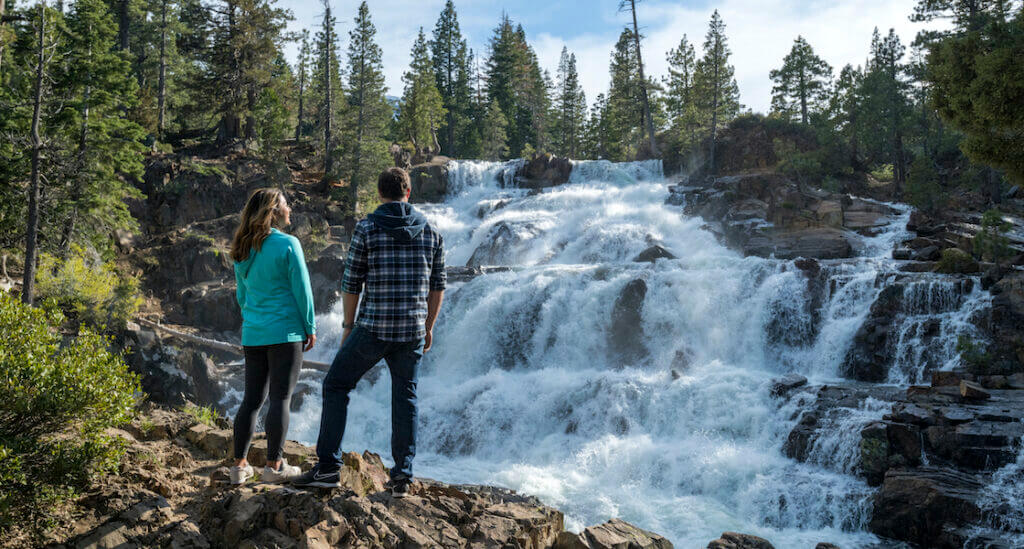
1. Hiking the Tahoe Rim Trail (Leave No Trace certified sections): This 165-mile trail circles the entire lake, offering incredible views. Focus on sections certified by Leave No Trace, ensuring minimal impact. Cost: Free (permit needed for overnight backpacking). Difficulty: Moderate to strenuous, depending on the section.
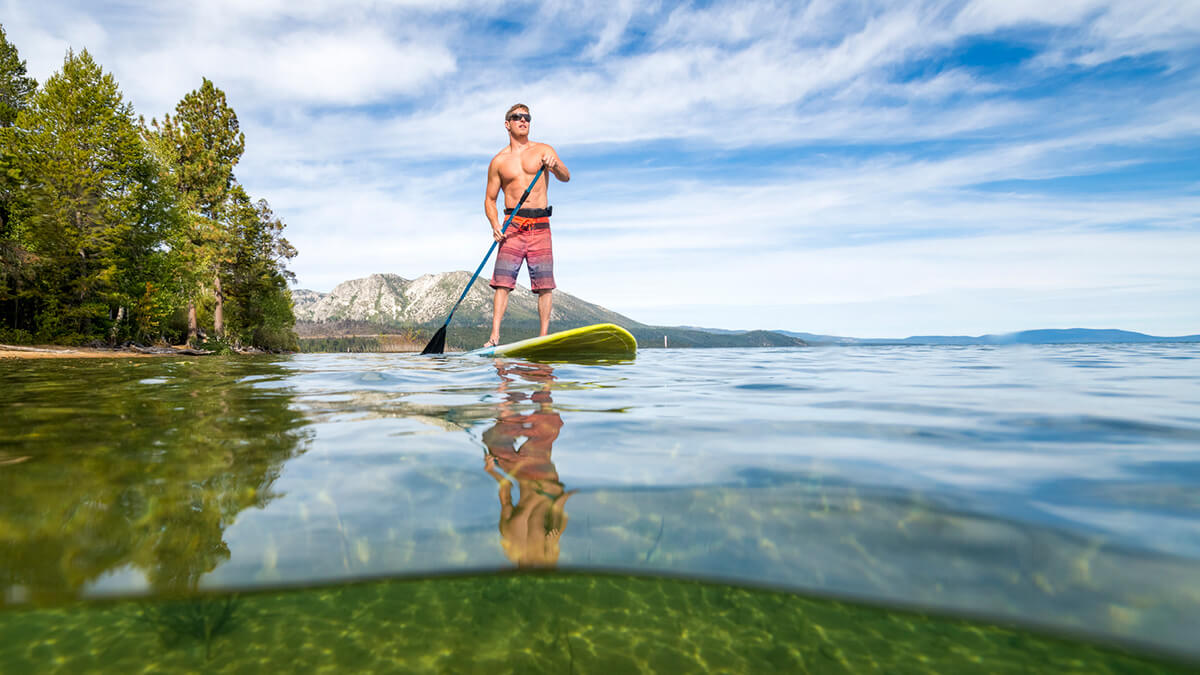
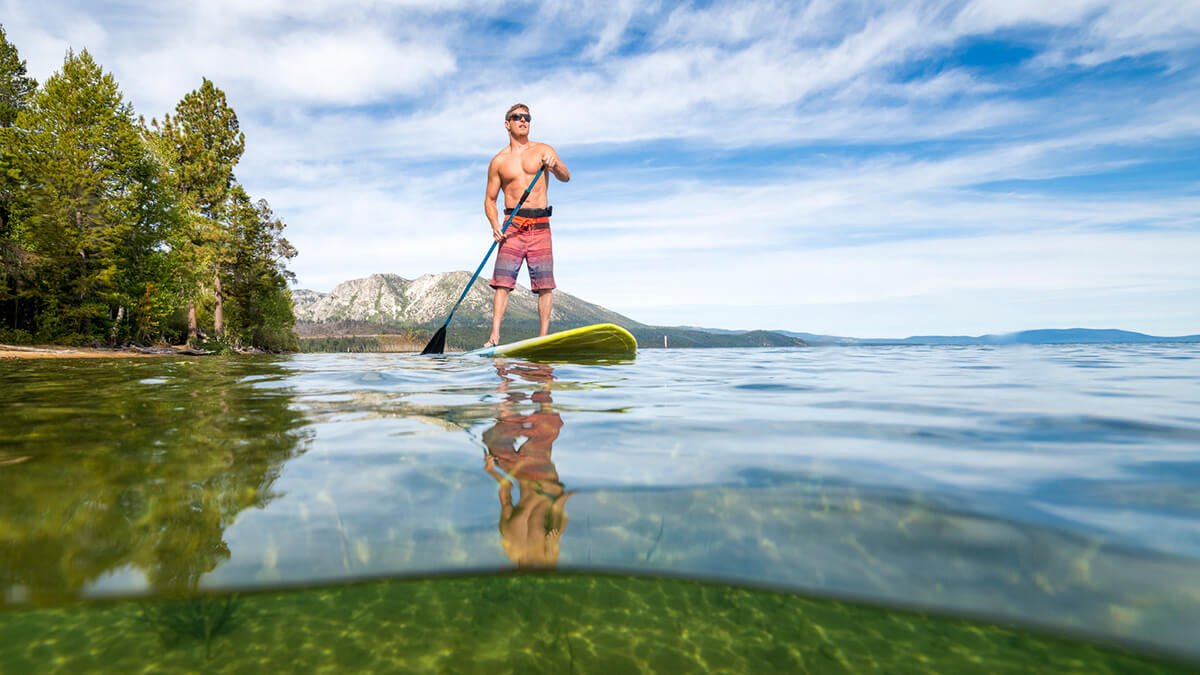
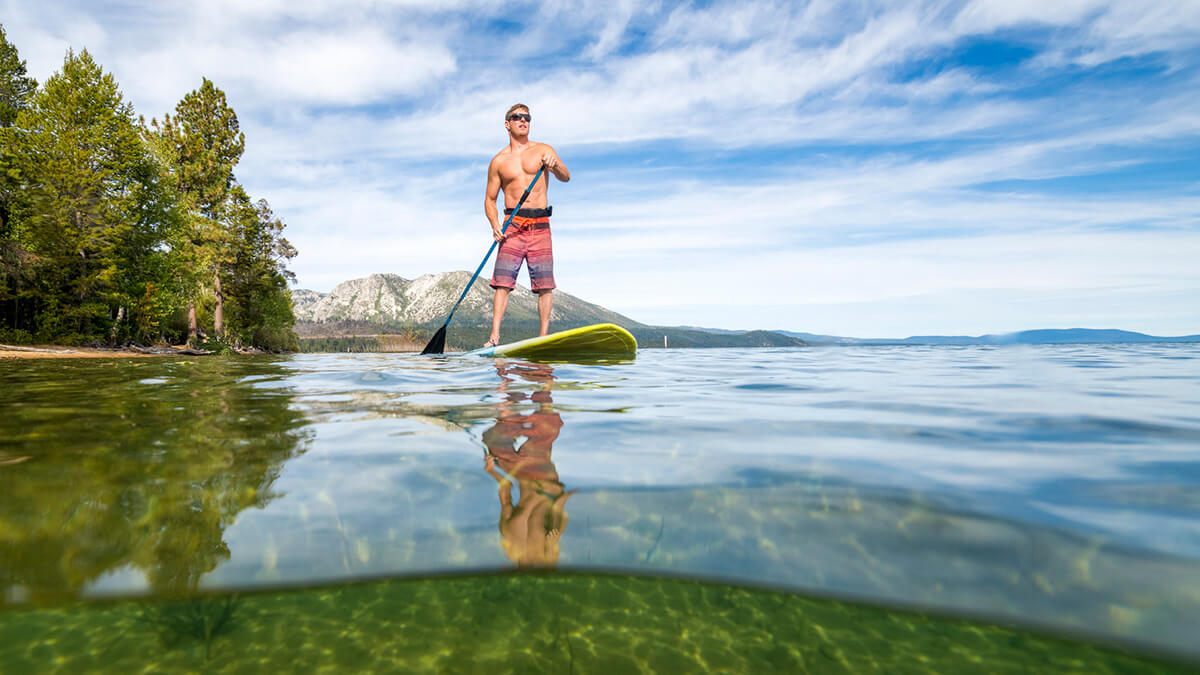
2. Kayaking or Stand-Up Paddleboarding with Tahoe Adventure Company: Tahoe Adventure Company is leading the way in sustainable water sports, boasting carbon-neutral operations and a commitment to lake health. Rentals and guided tours are available. Cost: $40-$80 per hour. Difficulty: Easy to moderate.
3. Biking the Truckee River Legacy Trail: This paved trail follows the Truckee River, offering a scenic and accessible biking experience. It’s a great way to explore the area without a car. Cost: Free. Difficulty: Easy.
4. Participating in Lake Tahoe Environmental Improvement Program volunteer cleanups: The Tahoe Environmental Improvement Program (TEIP) regularly organizes volunteer cleanup events around the lake. It’s a direct way to contribute to lake health. Cost: Free. Difficulty: Easy.
5. Visiting the Taylor Creek Visitor Center and Rainbow Trail: Learn about the unique ecosystem of Taylor Creek and observe the annual Kokanee salmon run (October-November). The visitor center provides educational exhibits and information about conservation efforts. Cost: Free. Difficulty: Easy.
6. Cross-country skiing at Spooner Lake (Nordic skiing area): Enjoy the winter wonderland with a low-impact activity. Spooner Lake offers groomed trails for all skill levels. Cost: $25-$40 per day. Difficulty: Easy to strenuous, depending on the trail.
7. Taking the MS Dixie II solar-powered lake cruise: This iconic lake cruise has been upgraded with solar panels, reducing its carbon footprint. Enjoy stunning views of Emerald Bay and Fannette Island. Cost: $45-$75. Difficulty: Easy.
8. Exploring Emerald Bay State Park via public transportation: Take the Tahoe Transportation District (TTD) bus to Emerald Bay, avoiding traffic and parking hassles. Hike to Vikingsholm Castle and enjoy the breathtaking scenery. Cost: $2-$4 (bus fare). Difficulty: Moderate.
9. Shopping at the Tahoe City Farmers Market for local, organic produce: Support local farmers and reduce your carbon footprint by purchasing fresh, seasonal produce at the Tahoe City Farmers Market (seasonal). Cost: Varies. Difficulty: Easy.
10. Guided wildflower tours with Tahoe Institute for Natural Science: Learn about the native flora of Lake Tahoe and the importance of biodiversity on a guided tour. Cost: $30-$50. Difficulty: Easy to moderate.
Standout Sustainable Stays
The Lodge at Edgewood Tahoe is LEED Gold certified, which is rare for a luxury resort of its size. They built it with specific systems to manage runoff before it hits the lake.
Club Tahoe Resort in Incline Village offers a range of amenities designed to enhance your stay while respecting the environment. Their focus on comfort and convenience doesn't come at the expense of responsible tourism, and they actively promote exploration of the surrounding natural beauty.
Another excellent choice is Base Camp Hotel in South Lake Tahoe, which prioritizes water conservation and waste reduction. They also partner with local organizations to support environmental initiatives. Expect to pay around $200-$400 per night at these locations, depending on the season and room type. It’s an investment, but one that supports businesses prioritizing the health of the lake.
Where to eat
Sustainable dining is easier than ever in Lake Tahoe. Several restaurants are prioritizing locally sourced ingredients and reducing their environmental impact. It's not just about feeling good; these places often serve incredibly delicious food.
Sprouts Cafe in South Lake Tahoe is a long-time champion of organic, locally sourced cuisine. They work directly with regional farms to bring the freshest ingredients to your plate, and they have a robust composting program. Expect to pay around $15-$25 per entree.
Gar Woods Grill & Pier in Carnelian Bay is another great option, known for its commitment to sustainable seafood and reducing food waste. They also participate in local environmental initiatives. A meal here might run $20-$40, depending on your choices.
Finally, Black Bear Diner, while a larger chain, has made significant strides in sourcing local produce and reducing its carbon footprint. It’s a more affordable option, with entrees typically costing $10-$20. These restaurants demonstrate that delicious food and environmental responsibility can go hand in hand.
Essential Gear for Eco-Conscious Lake Tahoe Adventures

Keeps drinks cold for 24 hours or hot for 12 hours · Durable 18/8 pro-grade stainless steel construction · Wide mouth opening for easy filling and cleaning
Reduce single-use plastic waste by carrying your beverages in this durable, insulated stainless steel water bottle.

Includes spoon, fork, knife, and chopsticks · Made from natural, sustainable bamboo · Compact and portable for on-the-go use
Avoid disposable plastic cutlery with this reusable bamboo set, perfect for picnics and meals enjoyed outdoors.

Reef-friendly formula, compliant with Hawaii's Act 104 · Broad Spectrum SPF 50 protection · Oil-free and fast-absorbing
Protect your skin and the delicate aquatic ecosystems of Lake Tahoe with this reef-safe sunscreen.

Features a dedicated laptop sleeve · Multiple pockets for organization · Made with Bluesign-approved materials for sustainable production
Carry your essentials comfortably and responsibly in this eco-conscious backpack designed for everyday adventures.

Set includes 10 reusable grocery bags · Made from durable, ripstop material · Folds compactly for easy storage
Say goodbye to plastic bags and embrace sustainable shopping with this multi-pack of sturdy, reusable grocery bags.
As an Amazon Associate I earn from qualifying purchases. Prices may vary.
Getting Around Gently
Lake Tahoe’s sprawling geography can make getting around a challenge, especially if you’re trying to minimize your environmental impact. While a car offers convenience, it’s not the most sustainable option. Fortunately, there are alternatives.
The Tahoe Transportation District (TTD) operates a comprehensive bus system that serves most of the lake. It’s an affordable and convenient way to get around, especially during peak season. Bike rentals are also widely available, and Lake Tahoe is a fantastic place to explore on two wheels. Several rental shops offer electric bikes, making it easier to tackle the hills.
For those arriving by air, consider using a shuttle service instead of renting a car. Several companies offer airport transfers to various locations around the lake. While getting around Tahoe without a car requires a bit more planning, it’s a rewarding way to experience the area responsibly.
The Tahoe code
The Leave No Trace principles are essential for protecting Lake Tahoe’s fragile environment. These principles—Plan Ahead and Prepare, Travel and Camp on Durable Surfaces, Dispose of Waste Properly, Leave What You Find, Minimize Campfire Impacts, Respect Wildlife, and Be Considerate of Other Visitors—are simple yet powerful.
Specifically at Tahoe, this means packing out everything you pack in, staying on designated trails to avoid erosion, respecting wildlife by maintaining a safe distance, and minimizing your impact on the shoreline. Campfires are often restricted, so be sure to check current regulations before lighting one. Following these guidelines helps ensure that future generations can enjoy the beauty of Lake Tahoe.
It’s not just about following rules; it’s about cultivating a sense of stewardship for this incredible place. Every small action—picking up litter, staying on the trail, respecting wildlife—makes a difference.
No comments yet. Be the first to share your thoughts!