

Plan the route
Lake Tahoe stretches over 70 miles, and the North and South shores offer distinctly different rhythms. Trying to cross the entire lake in a single day wastes more time than the scenery rewards. The single-lane roads and seasonal traffic create bottlenecks that can turn a 40-minute drive into a two-hour ordeal. Structure your days by region to minimize backtracking and maximize your time on the water or trail.
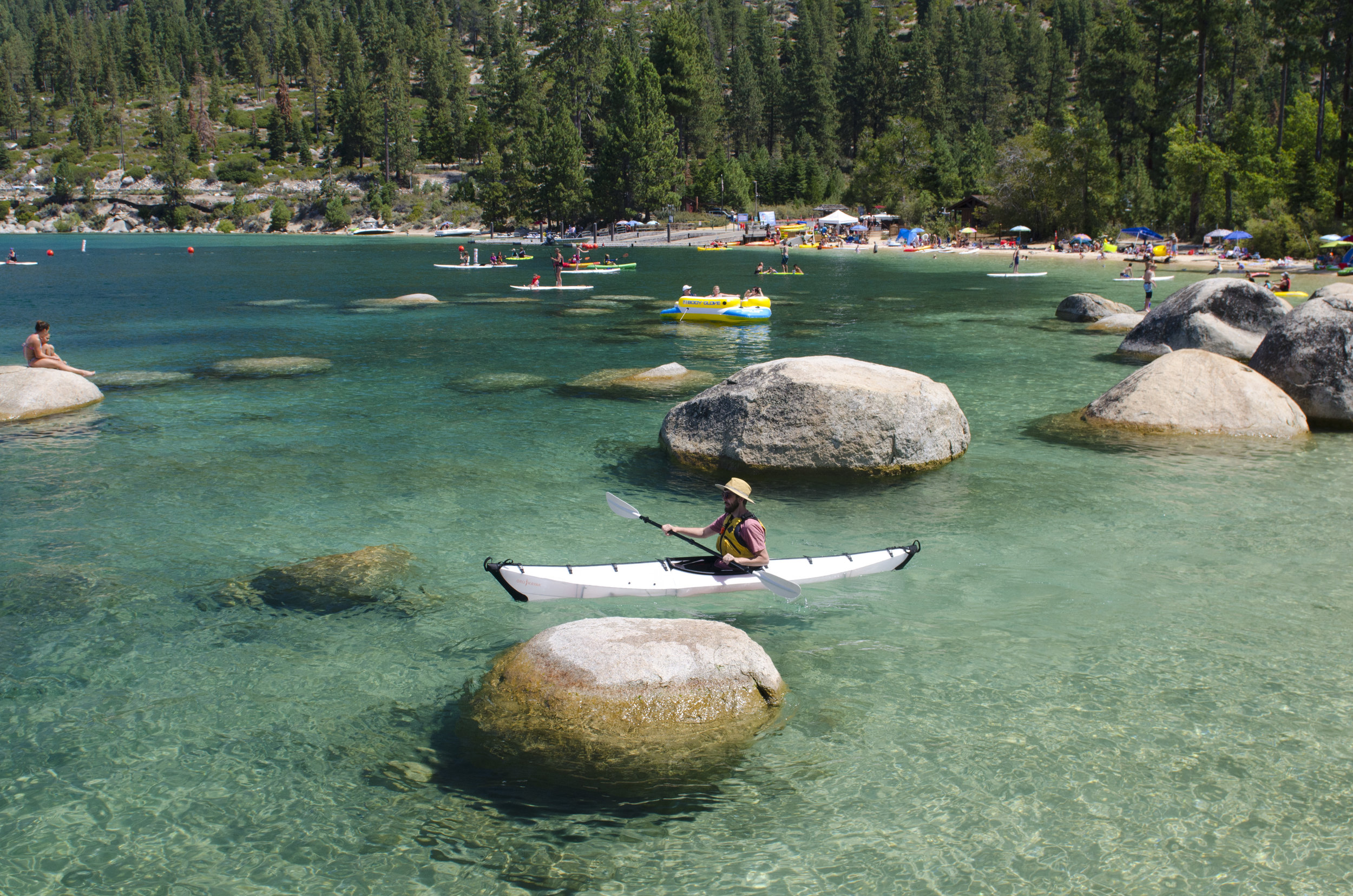
Start your morning on the North Shore, where the water is generally clearer and the hiking trails are denser. Head to Sand Harbor early, before 9 a.m., to secure parking and enjoy the granite boulders without the midday crowds. From there, you can drive inland to Vikingsholm for a quick castle tour or continue west toward Emerald Bay. This northern loop keeps you in a compact area, letting you switch between swimming, hiking, and dining without leaving the immediate vicinity.
Spend your afternoons on the South Shore, which offers a more vibrant nightlife and easier access to high-energy activities. Drive down from the north via Highway 28, aiming to arrive by early afternoon. This is the prime window for paddleboarding on the Emerald Bay coastline or renting a kayak at Zephyr Cove. The South Shore beaches, like Kings Beach and Stateline, tend to get sunnier and warmer than the northern coves, making them ideal for late-day relaxation.
Keep your evening plans local to whichever shore you are on. The North Shore towns of Tahoe City and Incline Village have quieter, lakeside dining options, while the South Shore offers a wider variety of restaurants and live music in Stateline and South Lake Tahoe. By anchoring your day to one side of the lake, you avoid the stress of navigating heavy evening traffic and ensure you end your day with a sunset view that feels earned, not rushed.
-
Check real-time traffic on Highway 28 before heading south.
-
Reserve parking at Sand Harbor or Vikingsholm if visiting on weekends.
-
Book watercraft rentals for early afternoon to avoid peak demand.
-
Plan dinner reservations in your chosen region to avoid late-night driving.
Stops worth prioritizing
Lake Tahoe is large, and trying to hit everything in one trip usually means spending more time driving than experiencing the lake. The most efficient strategy is to anchor your days in one region—South Tahoe for beaches and nightlife, or North/Stateline for quieter coves and historic sites. This section separates the essential stops that define a Lake Tahoe summer from the optional detours that can wait for a second visit.
Start with Sand Harbor on the northeast shore. The turquoise water and granite boulders create the classic postcard view, but the parking lot fills by 8 a.m. in July and August. Arrive early or park at the nearby Northstar shuttle stop to avoid the frustration of circling for a spot. If you miss the morning window, head to Kings Beach on the east shore for a more relaxed vibe with similar clear water and easier access.
For a change of pace, drive up to Vikingsholm in Emerald Bay. This 37-room Swedish-style castle sits on a peninsula with views of the lake’s deepest point. The short hike from the parking lot is worth it for the history and the photo opportunities. It pairs well with a stop at Fannette Island, which is visible from the shore but requires a boat tour to visit. Many visitors skip the boat tour to save money, but the view from the castle lawn is equally striking.
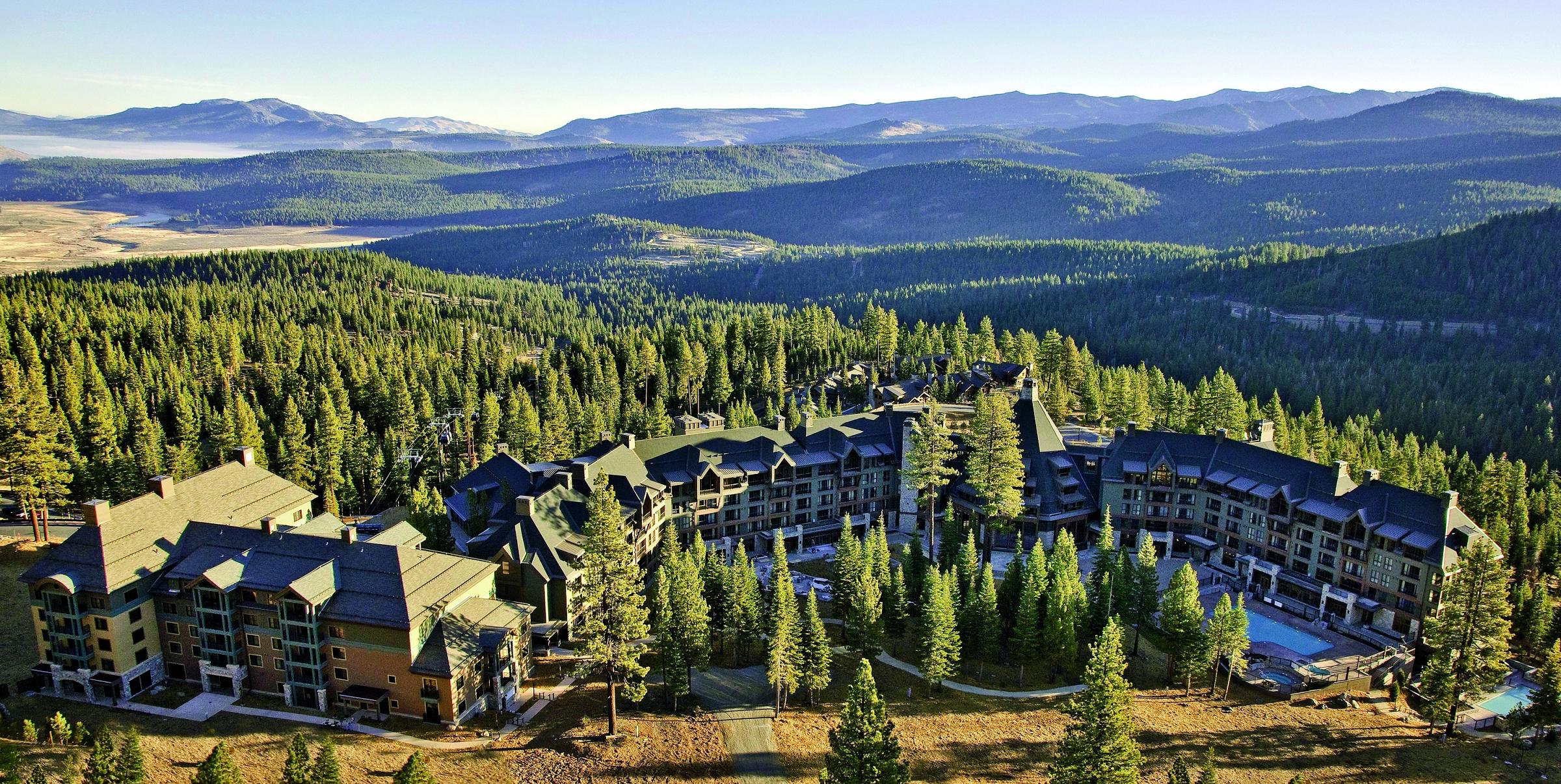
South Lake Tahoe offers a different energy. Heavenly Village is the hub for gondola rides and shopping, but the real draw is the beach scene. Zephyr Cove and D.L. Bliss State Park provide sandy shores with amenities like restrooms, showers, and food trucks. These are better for families or those who want to relax without hiking. The trade-off is crowds; these beaches are busiest from noon to 4 p.m. If you prefer solitude, head to Fallen Leaf Lake, a short drive south, where you can swim and picnic with fewer people.
| Stop | Best For | Crowding Level | Parking Ease |
|---|---|---|---|
| Sand Harbor | Iconic photos, clear water | High | Difficult (early arrival needed) |
| Vikingsholm | History, deep lake views | Medium | Moderate |
| D.L. Bliss State Park | Beach relaxation, swimming | High | Moderate (shuttle recommended) |
| Fallen Leaf Lake | Quiet swimming, picnics | Low | Easy |
Optional detours like the Mount Tallac summit road or the Desolation Wilderness hikes are stunning but require significant time and physical effort. Unless you have a full week or are an avid hiker, these are better saved for a return trip. Focus on the core stops above to maximize your lake time without burning out.
Timing and logistics
Getting to Lake Tahoe in July or August requires planning. The highway acts like a funnel; traffic bottlenecks at the California-Nevada state line can add 90 minutes to your drive during peak hours. Arriving before 10 a.m. or after 5 p.m. is the only reliable way to avoid the worst of the congestion.
Parking is the next major constraint. Popular spots like Sand Harbor in Nevada and Emerald Bay in California fill up by mid-morning, often by 9 a.m. on weekends. If you miss your window, you will likely circle the perimeter for 30 minutes or more. Consider visiting lesser-known coves or hiking to overlooks where parking is less competitive.
For those staying in South Lake Tahoe, the TART (Transit Avenue Rapid Transit) bus system offers a stress-free alternative. It runs frequently along Highway 50 and connects to major beaches and trailheads. Using public transit eliminates parking fees and lets you enjoy the scenery without worrying about finding a spot.
Reservations are essential for many activities. Kayak and paddleboard rentals at prime locations sell out days in advance. Similarly, campsites in both Nevada and California state parks are booked months ahead. Plan your logistics at least a week before arrival to secure your preferred times and locations.
Lake tahoe summer: what to check next
We know planning a trip to the Sierra Nevada comes with practical hurdles. Here are the direct answers to the most common questions about weather, swimming, and location.
Can I swim in Lake Tahoe in July?
Yes, but the water remains cold year-round due to the lake's depth and altitude. Even in July, surface temperatures typically hover between 60°F and 70°F. Most visitors find this refreshing for a quick dip or paddleboarding, but it is rarely warm enough for prolonged swimming without a wetsuit.
Is it hot in Lake Tahoe in July?
Not by valley standards. July is the warmest month, with daytime highs averaging 75°F to 85°F. Because of the 6,200-foot elevation, the sun feels intense, but the air stays dry and breezy. Nights drop quickly into the 40s or low 50s, so you will need a light jacket for evening dinners or stargazing.
Which part of Lake Tahoe is best for summer?
It depends on your vibe. South Lake Tahoe offers the most action, with easy beach access at Sand Harbor and vibrant nightlife. North Lake Tahoe, including Incline Village, provides quieter, upscale beaches and easier access to hiking trails. If you want nightlife and convenience, head south; for nature and tranquility, go north.
What is happening at Lake Tahoe in August 2026?
August is peak season for both weather and crowds. Expect full schedules of events like the Lake Tahoe Summer Festival, outdoor concerts, and boat races. Beaches will be crowded, especially on weekends. If you prefer fewer people, consider visiting in late June or early September when the weather is still pleasant but the crowds begin to thin.
No comments yet. Be the first to share your thoughts!