

Lake Tahoe budget
Planning a Lake Tahoe trip without overspending requires treating your budget like a map, not a guess. The Sierra Nevada economy shifts dramatically between June and September, so knowing where to spend and where to save is the difference between a relaxed getaway and a financial headache.
Start by anchoring your costs to the basics. Lodging often eats the largest share, but camping at sites like Northstar California or Desolation Wilderness offers a fraction of the price for direct lake access. If you choose hotels, look for properties slightly inland from the shore; the view premium can add $50 to $100 per night for little practical benefit.
Food costs are the next hidden trap. Dining in Stateline or Tahoe City is convenient but pricey. Packing cooler staples like sandwiches, fruit, and grilled meats for lunch saves significant money. Reserve sit-down dinners for special occasions rather than daily meals.
Activities vary in price, but many high-value experiences are free. Hiking Eagle Falls or kayaking in public coves costs nothing but gas. When you do pay for gear, rent locally rather than bringing your own equipment, which incurs steep transport fees.


As an Amazon Associate, we may earn from qualifying purchases.
Finally, factor in the "condition tradeoff." High summer means higher prices and crowded trails. Visiting in late May or early September often yields better rates, fewer crowds, and still-pleasant weather, provided you check for lingering snow at higher elevations.
Shortlist real options
The Lake Tahoe works best as a clear sequence: define the constraint, compare the realistic options, test the tradeoff, and choose the path with the fewest hidden costs. That order keeps the advice usable instead of decorative. After each step, pause long enough to check whether the recommendation still fits the reader's actual situation. If it depends on perfect timing, unusual access, or a best-case budget, include a simpler fallback.
| Factor | What to check | Why it matters |
|---|---|---|
| Fit | Match the option to the primary use case. | A good deal still fails if it does not fit the job. |
| Condition | Verify age, wear, and service history. | Hidden condition issues erase upfront savings. |
| Cost | Compare purchase price with likely upkeep. | The cheapest option is not always the lowest-cost option. |
Inspect the expensive parts
The Lake Tahoe works best as a clear sequence: define the constraint, compare the realistic options, test the tradeoff, and choose the path with the fewest hidden costs. That order keeps the advice usable instead of decorative. After each step, pause long enough to check whether the recommendation still fits the reader's actual situation. If it depends on perfect timing, unusual access, or a best-case budget, include a simpler fallback.
Plan for ownership costs
Buying a vacation home in Lake Tahoe feels like securing a piece of paradise, but the sticker price is just the entry fee. The real financial test begins the moment you sign the deed. High-altitude environments, heavy snow loads, and intense UV exposure accelerate wear and tear on every system in the house. What looks like a bargain on the listing site often hides significant maintenance liabilities that can erode your equity faster than you can rent it out.
Hidden maintenance surprises
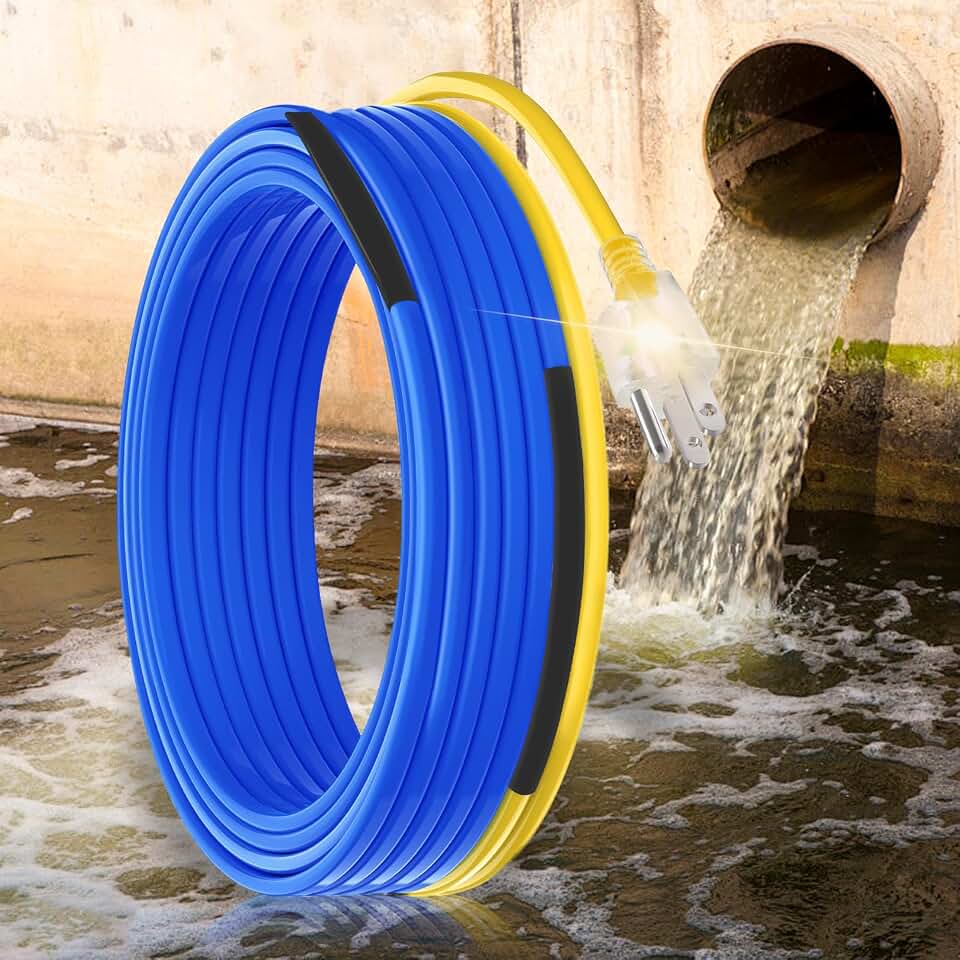
The most common budget busters are the systems that keep the house livable. Roof repairs are frequent due to snow weight and ice dams. Plumbing lines require diligent winterization to prevent freezing, and HVAC systems work double duty—fighting summer heat and winter cold with equal intensity. You should also budget for regular exterior staining or sealing to protect wood from the harsh sun and moisture. These aren't optional upgrades; they are survival costs for the property.
When cheap stops being cheap
A lower purchase price often signals higher long-term costs. Properties that need extensive foundation work, outdated electrical panels, or inefficient insulation will drain your cash flow through constant repairs and higher utility bills. Conversely, a well-maintained home with modern systems commands higher rental rates and retains value better. Always run a conservative maintenance budget of 1-2% of the home's value annually, plus a larger reserve for major capital expenditures like roof or window replacements.
Essential gear for owners
Being prepared for Tahoe's unique climate protects your investment and ensures comfort. The right tools and supplies make maintenance easier and help you handle sudden weather changes.



As an Amazon Associate, we may earn from qualifying purchases.
Investing in the right maintenance equipment and supplies upfront pays dividends in reduced emergency repair costs and preserved property value. It transforms ownership from a reactive burden into a manageable, predictable part of your lifestyle.
Lake tahoe: what to check next
Planning a trip to the Sierra Nevada requires balancing altitude, crowds, and seasonal access. Here are the practical answers to the most common questions about visiting Lake Tahoe.
No comments yet. Be the first to share your thoughts!