

North Shore vs South Shore
Choosing where to stay in Lake Tahoe depends on how you want to spend your days. The North Shore offers a relaxed, natural vibe with easy access to hiking and historic sites, while the South Shore provides a more energetic atmosphere with concentrated dining, shopping, and nightlife options.
North Shore: Relaxed and Natural
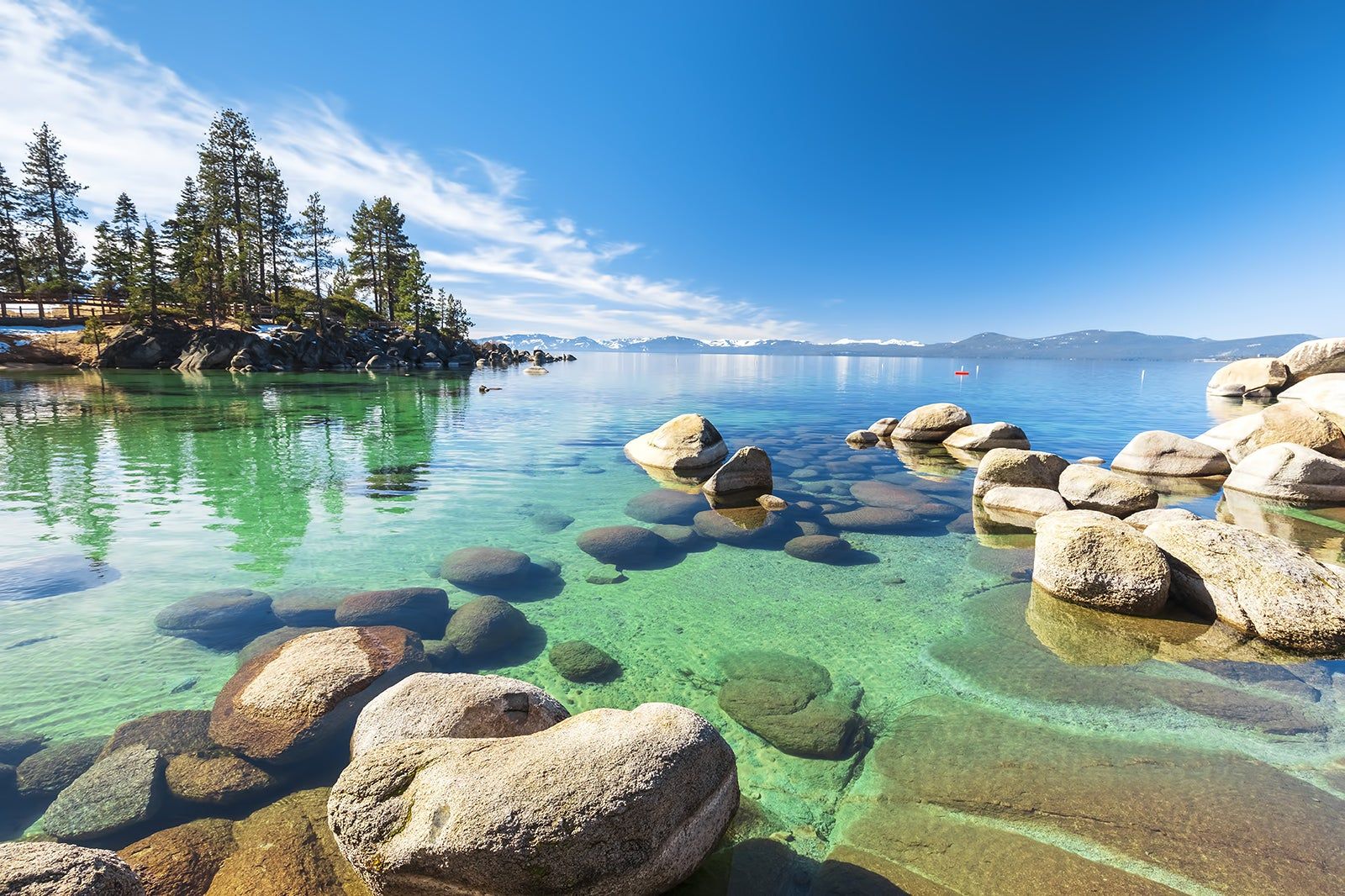
The North Shore feels quieter and more rooted in local history. It is the best base if you prefer water sports, scenic drives, and outdoor exploration over bustling streets. You can spend mornings kayaking to Fannette Island or afternoons hiking to Lower Eagle Falls without dealing with heavy traffic. The beaches here, like Sand Harbor, are stunning but fill up early, so arriving before 9 a.m. is essential on weekends.
South Shore: Lively and Convenient
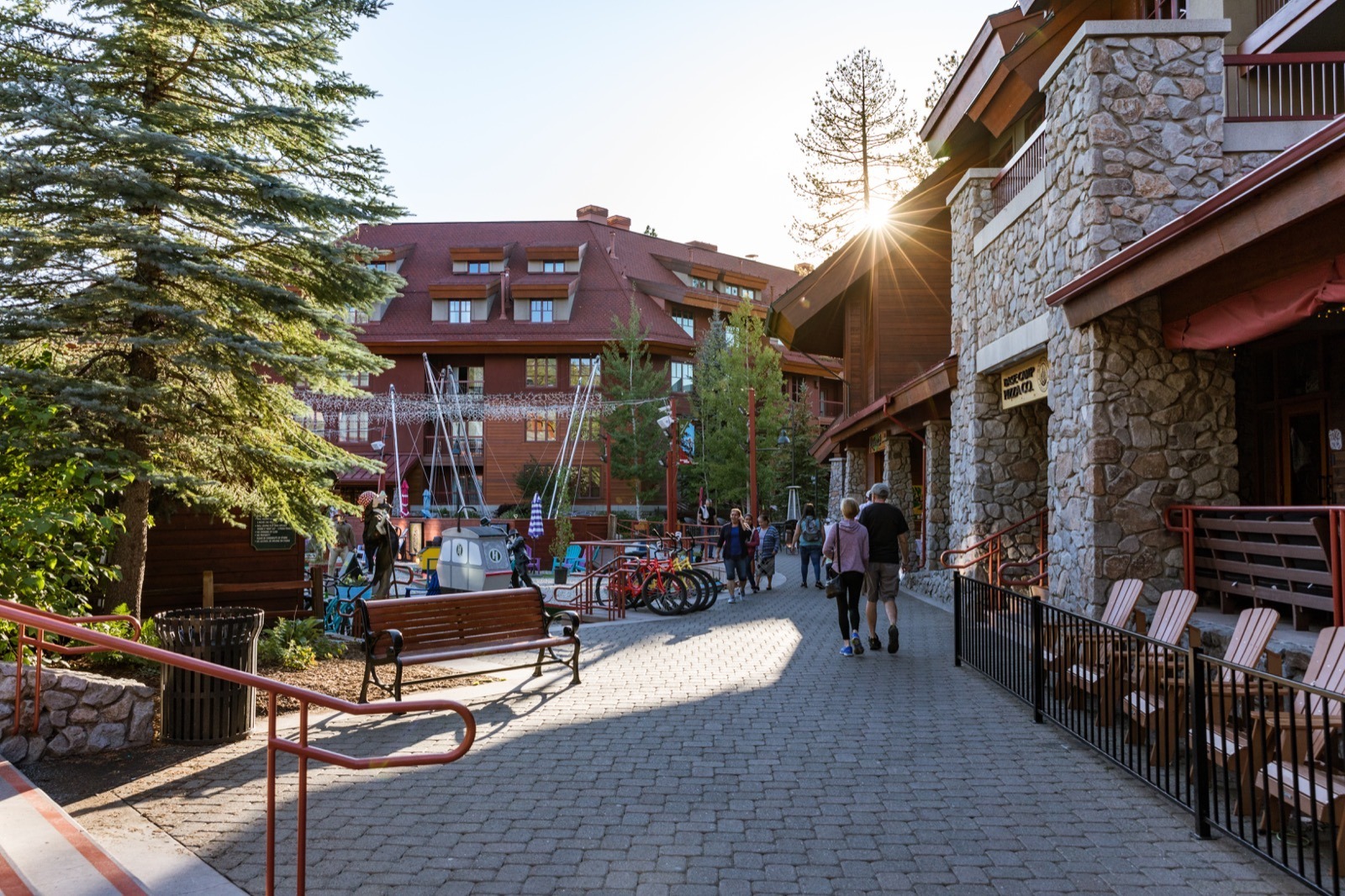
The South Shore is the hub for visitors who want amenities within walking distance. Areas like Heavenly Village offer a mix of shops, restaurants, and easy access to ski lifts that operate in summer for gondola rides and hiking. This side is also home to Club Lake Tahoe, a popular spot for families and groups seeking structured recreational activities and central lodging. If you prefer dining out late or grabbing a quick coffee before a hike, the South Shore’s density makes logistics simpler.
Quick Comparison
Use this table to see how the two sides differ in key areas that affect your daily routine.
| Vibe | Best For | Dining Scene | Traffic & Parking |
|---|---|---|---|
| Relaxed, historic, natural | Kayaking, hiking, photography | Scattered, local favorites | Moderate, easier parking |
| Energetic, tourist-focused, modern | Shopping, nightlife, gondola rides | Concentrated, high variety | Heavy, crowded lots |
Hikes and Water Activities
Lake Tahoe’s summer appeal lies in its dual landscape: rugged, high-altitude trails and the clear, cold waters below. The lake is a playground for those who want to move, whether by foot or paddle. Timing is everything here. The sun hits the shoreline hard by mid-morning, so starting early allows you to enjoy the shade and cooler air before the crowds and heat set in.
Hiking to Vikingsholm and Eagle Falls
The North Shore offers some of the most accessible and rewarding hikes in the region. The trail to Vikingsholm, a historic Swedish castle perched on Emerald Bay, is a steady climb that rewards hikers with stunning views of the bay and the lake beyond. It’s about three miles round-trip with moderate elevation gain.
Just a short drive away, the Lower Eagle Falls trail is a favorite for its quick payoff. The hike is less than a mile round-trip, winding through pine forests before opening up to the thundering waterfall. It’s an easy way to experience the area’s dramatic topography without a strenuous effort.
Kayaking and Paddleboarding
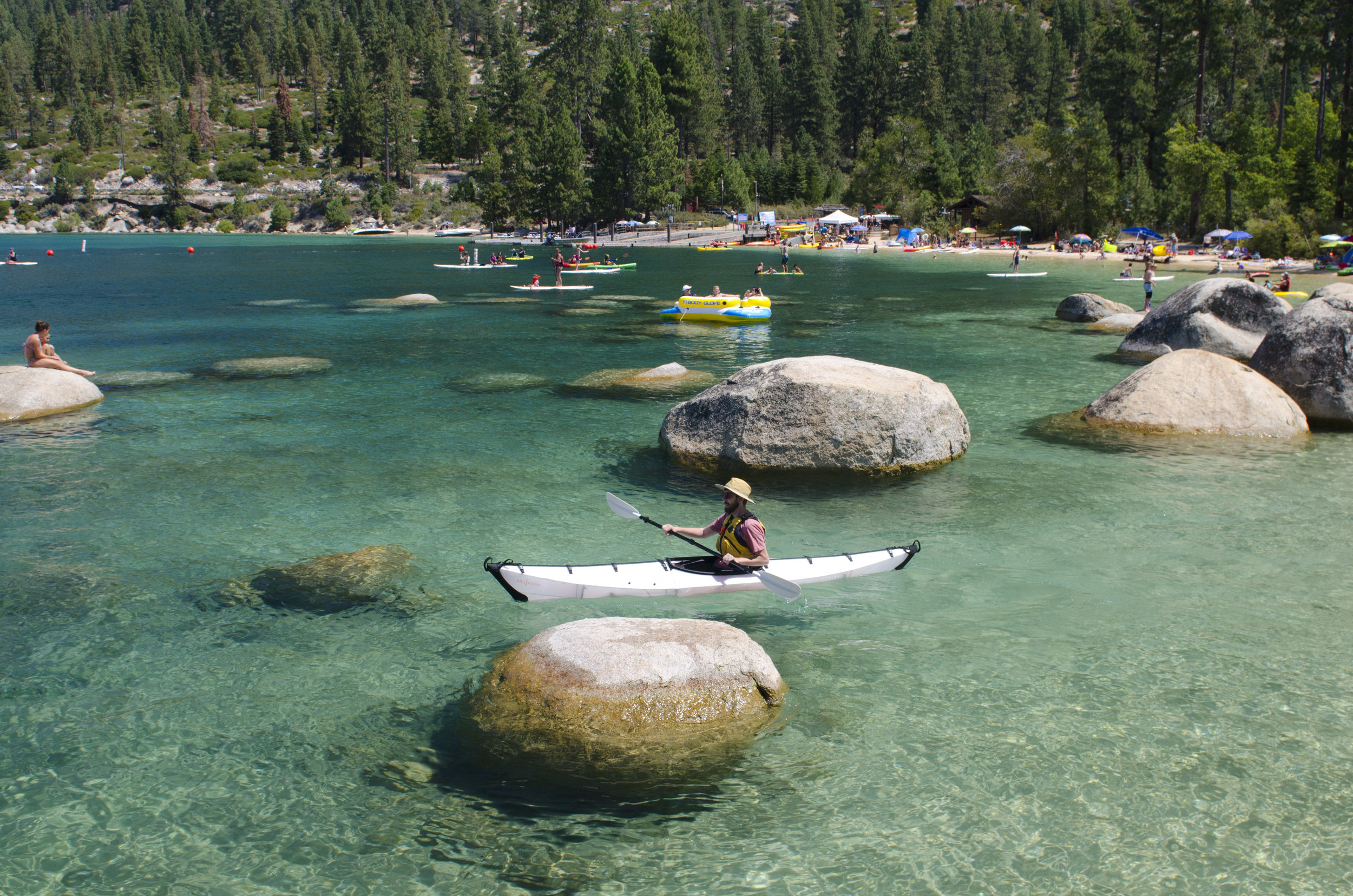
Water activities are the other half of the summer equation. Kayaking from Sand Harbor is a classic experience. The calm, shallow waters near the shore are perfect for beginners, and you can paddle out to see the famous granite boulders up close. Renting a kayak from local outfitters near the beach makes it easy to get on the water without hauling your own gear.
For a different perspective, paddleboarding in South Lake Tahoe offers a unique way to explore the shoreline. The water is cold, even on the hottest days, so dressing appropriately is essential. Many visitors rent boards from shops near Club Lake Tahoe, which provides easy access to the water and amenities like restrooms and showers afterward.
Dining on the shores
Summer dining in Lake Tahoe shifts with the crowds and the seasons. The South Shore moves fast, anchored by the energy of Stateline and the relaxed pace of Incline Village on the North. Timing your meals is just as important as picking the right spot.
South Shore staples
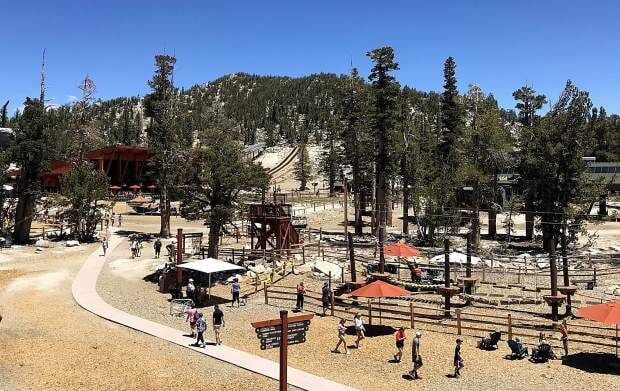
The South Shore offers the highest density of options, but also the most competition. For a casual, high-energy lunch, head to the area around Club Lake Tahoe. This complex serves as a hub for South Shore amenities, offering easy access to the beach and a variety of casual eateries that stay open late. It’s a practical base for families or groups who want to grab food without leaving the main activity zone.
For something more upscale, the Stateline corridor provides views of the water and Nevada’s tax-free shopping appeal. Reservations are essential here, especially on weekends in July and August. The atmosphere is polished, often featuring outdoor patios where you can watch the sunset over the lake. Arrive by 5:30 PM to secure a table with a view before the dinner rush peaks.
North Shore flavor
The North Shore feels more intimate, with dining clusters centered around Incline Village and Crystal Bay. Here, the vibe is slower. You’ll find more farm-to-table concepts and waterfront patios that prioritize the view over the speed of service. The food quality is generally consistent, reflecting the higher concentration of resort hotels in this area.
Incline Village’s main drag offers everything from casual pizza joints to fine dining. Because the area is smaller, parking can be tricky during peak hours. Arrive early or be prepared to walk a few blocks from the lot to the restaurant. The North Shore is ideal for those who want to pair their meal with a pre-dinner stroll along the lake trail.
Summer Weather and Timing
Lake Tahoe in summer offers reliable sunshine with daytime highs typically ranging from 75 to 85°F, though nights cool down into the 40s and 50s. The sun shines approximately 90% of the time during these months, creating ideal conditions for outdoor activities. However, the lake water remains cold year-round, even on the hottest days, so swimmers should prepare for refreshing, brisk conditions rather than warm bathing.
Crowds are the primary variable affecting your experience. July and August mark peak season, bringing the highest volume of visitors to beaches and popular trailheads. Weekends see significantly heavier traffic and limited parking, particularly on the South Shore near Club Lake Tahoe and other major amenities. If you prefer quieter shores and easier access to trails, consider visiting in June or early September.
For the best balance of good weather and manageable crowds, aim for weekdays during the shoulder months. Morning starts are generally recommended for popular hikes and beach access, allowing you to secure parking before the midday rush. Afternoon thunderstorms can develop quickly in the mountains during July and August, so plan strenuous activities for the morning and keep an eye on the sky as the day progresses.
Essential summer packing list
Lake Tahoe sits at 6,225 feet, meaning the alpine environment changes quickly. Afternoon thunderstorms roll in from the east, and temperatures can swing 30 degrees between day and night. What feels like a beach day in the morning often turns into a cold evening hike. Packing for layering rather than single-temperature gear is the only way to stay comfortable.
Start with moisture-wicking base layers and a waterproof shell. The sun at this altitude is intense, so bring high-SPF sunscreen, sunglasses, and a wide-brimmed hat. Sturdy hiking boots with good grip are non-negotiable for trails like those around Vikingsholm or Northstar. You will also need a reusable water bottle; hydration is critical when the air is thin and dry.
If you are staying near the South Shore, you can pick up last-minute essentials at Club Lake Tahoe. Their amenities and nearby shops offer quick fixes for forgotten items, but it is safer to bring your core gear from home. Leave the heavy winter coats behind, but do not skip the fleece or light jacket. You will be glad you have it when the sun dips behind the Sierra Nevada peaks.
Pack broken-in hiking boots for trail work and water shoes for lakeside activities. Bring polarized sunglasses to reduce glare off the water and sunscreen rated for high-altitude UV exposure.
Use a moisture-wicking base layer, an insulating mid-layer like a fleece, and a windproof rain jacket. Temperatures drop rapidly after sunset, so these layers are essential for evening comfort.
Carry at least two liters of water per person per day. Download offline maps for trailheads like Sand Harbor or Eagle Falls, as cell service is unreliable in many canyon areas.
No comments yet. Be the first to share your thoughts!