

Lake Tahoe Budget Fit
Lake Tahoe is a premium destination, but you can manage costs by prioritizing activities over amenities. The biggest expense is usually lodging, which spikes during July and August. To keep your budget intact, focus on free outdoor experiences that define the region, such as hiking the Mount Tallac trail or swimming at Sand Harbor. These activities require only a parking pass ($25/day) or a day-use fee, making them far more affordable than guided tours or resort dining.
Food costs can quickly derail a trip if you rely on the many lakeside restaurants. Pack a cooler with essentials like sandwiches, snacks, and water. If you eat out, choose casual spots in nearby towns like Truckee or South Lake Tahoe’s downtown area rather than the immediate waterfront. For gear, renting from local shops is often cheaper than buying, but if you prefer to own, here are some reliable, budget-friendly options for your next trip.


As an Amazon Associate, we may earn from qualifying purchases.
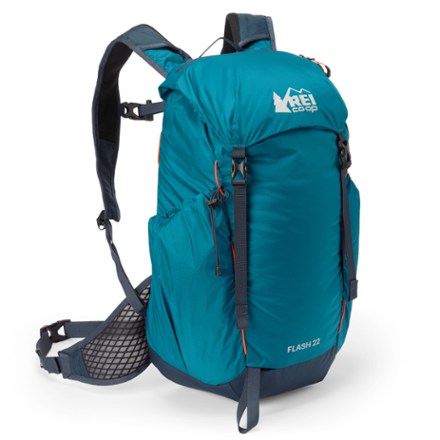
Bringing your own gear reduces daily expenses significantly. A high-quality cooler ensures you have fresh meals without relying on expensive convenience stores. A lightweight pack allows you to carry water and snacks on longer hikes, preventing costly stops. Finally, a handheld GPS is invaluable for navigating trailheads where cell service is unreliable, saving you from getting lost and needing emergency assistance.
Shortlist real options
Finding the right Lake Tahoe guide means looking beyond generic travel blogs. The best resources for summer trips focus on actionable details: specific hiking trail conditions, current boat rental availability, and restaurant reservations that actually matter for peak season. We compared the strongest options to help you choose the one that fits your itinerary style.
The official Visit Lake Tahoe site remains the most reliable source for verified events and seasonal alerts. It is less about curated opinions and more about real-time logistics, such as road closures or lake level updates. This makes it an essential first stop for safety and planning, even if you don't book everything through their portal.
For curated experiences, independent guides like Catherine Chicotka’s offer a more personal perspective on hidden gems. These resources often highlight less crowded beaches or specific hiking routes that major tourism boards might overlook. They are valuable for adding depth to your schedule, especially if you want to avoid the main tourist hubs in South Lake Tahoe.
| Guide Source | Best For | Update Frequency | Depth of Detail |
|---|---|---|---|
| Visit Lake Tahoe | Real-time alerts & official events | Daily | High-level logistics |
| Catherine Chicotka | Hidden gems & hiking routes | Monthly | Personal anecdotes |
| Ruth Nuss | Family-friendly itineraries | Seasonal | Practical tips |
| Brunch & The Beach | Weekend bucket lists | Quarterly | Visual focus |
We recommend starting with the official site for baseline planning, then layering in an independent guide for specific activity recommendations. This combination ensures you have both the safety checks and the local flavor needed for a successful trip. Avoid guides that are more than two years old, as summer regulations and restaurant hours can change significantly between seasons.
Inspect the expensive parts
Lake Tahoe’s high altitude and intense UV exposure accelerate wear on rental gear and vehicles. A quick inspection before hitting the road or trails prevents costly breakdowns and keeps your trip on schedule. Focus on the components that fail first.
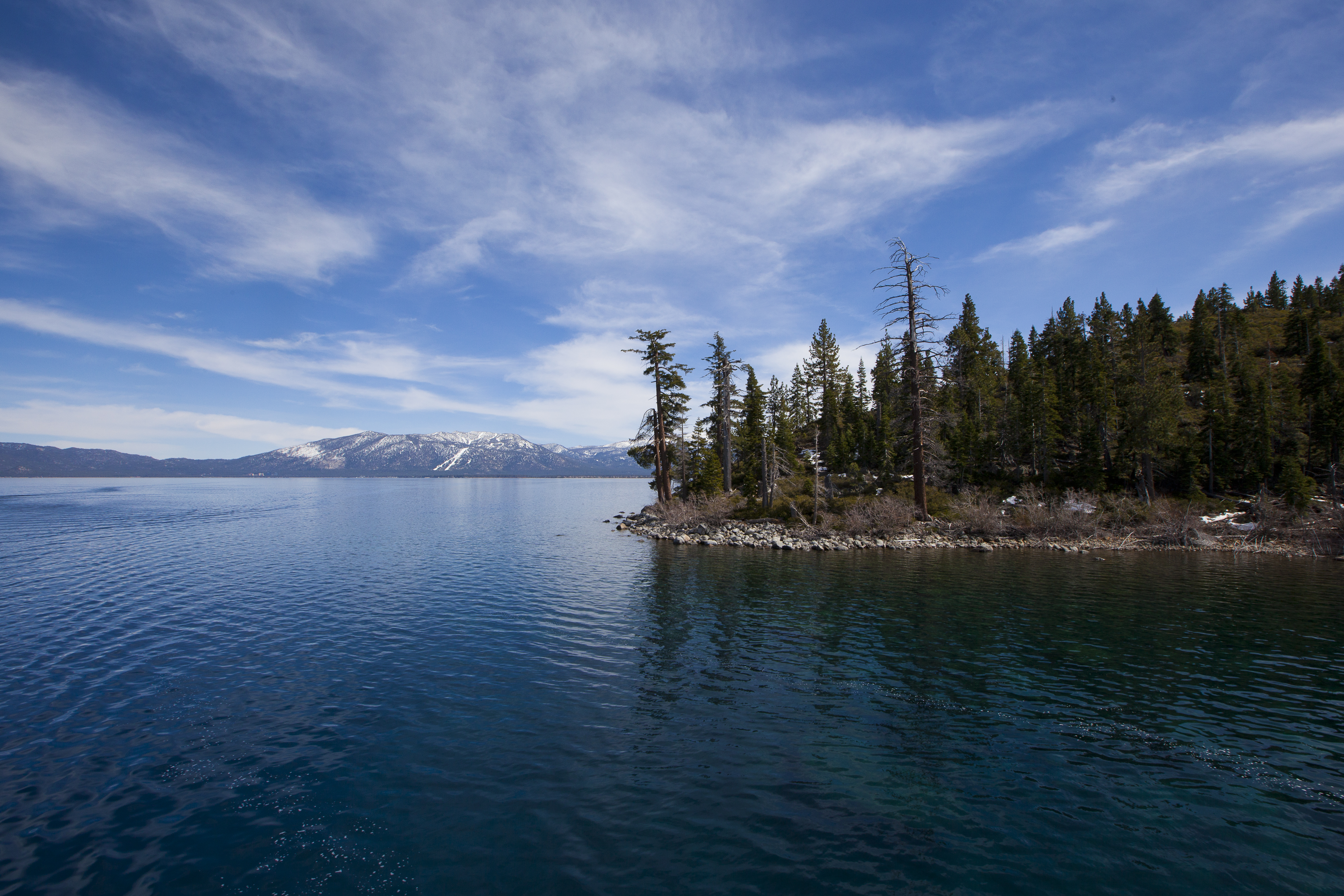
Cold mountain air drops tire pressure significantly. Check all four tires plus the spare when they are cold. Look for cracks in the rubber or low tread depth, especially if you plan to drive the winding switchbacks to Heavenly or Northstar.
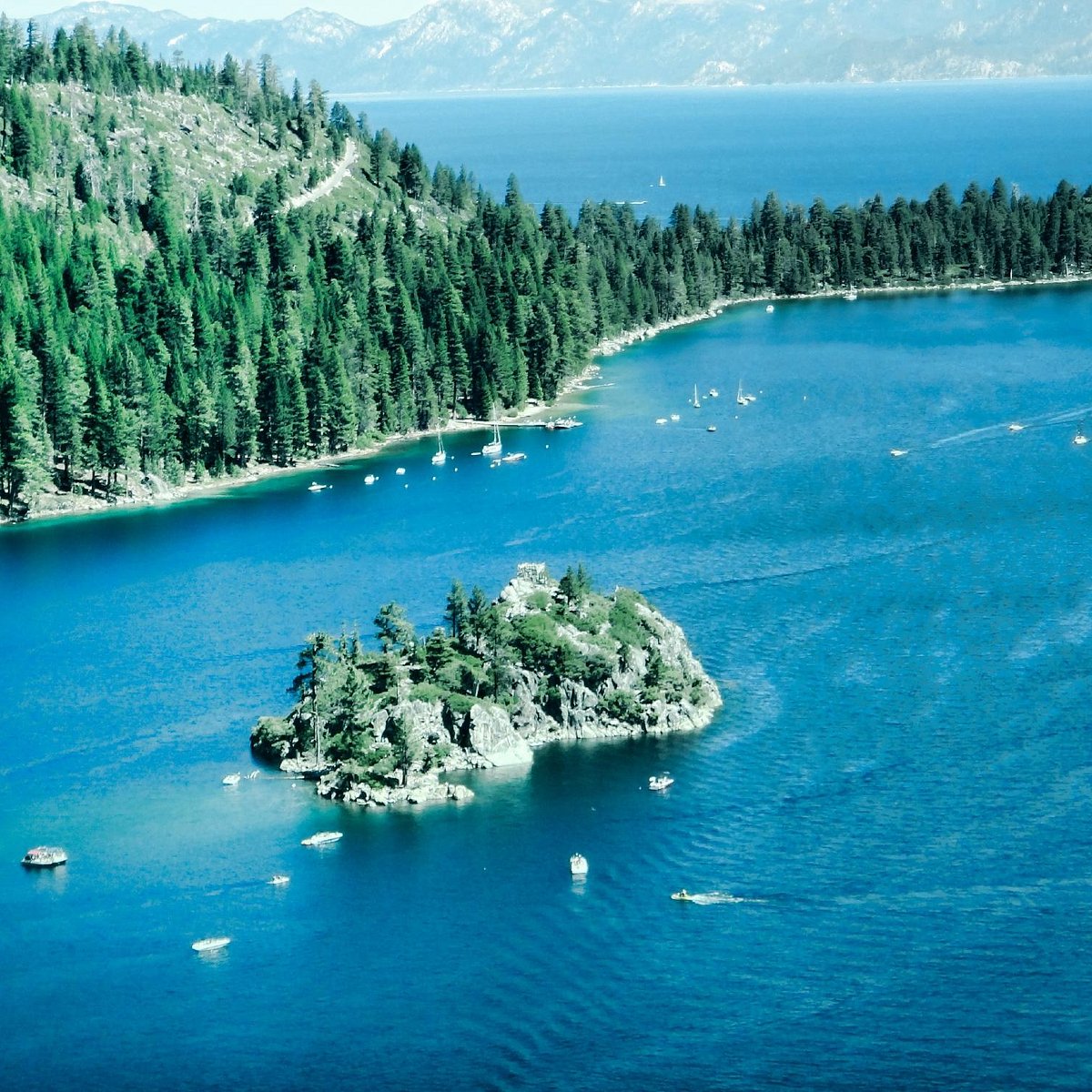
Sunlight degrades plastics and fabrics faster at 6,200 feet. Examine inflatable kayaks, paddleboards, and snorkel masks for pinholes or brittle hinges. Rent from shops that store gear in shaded areas to minimize pre-existing damage.
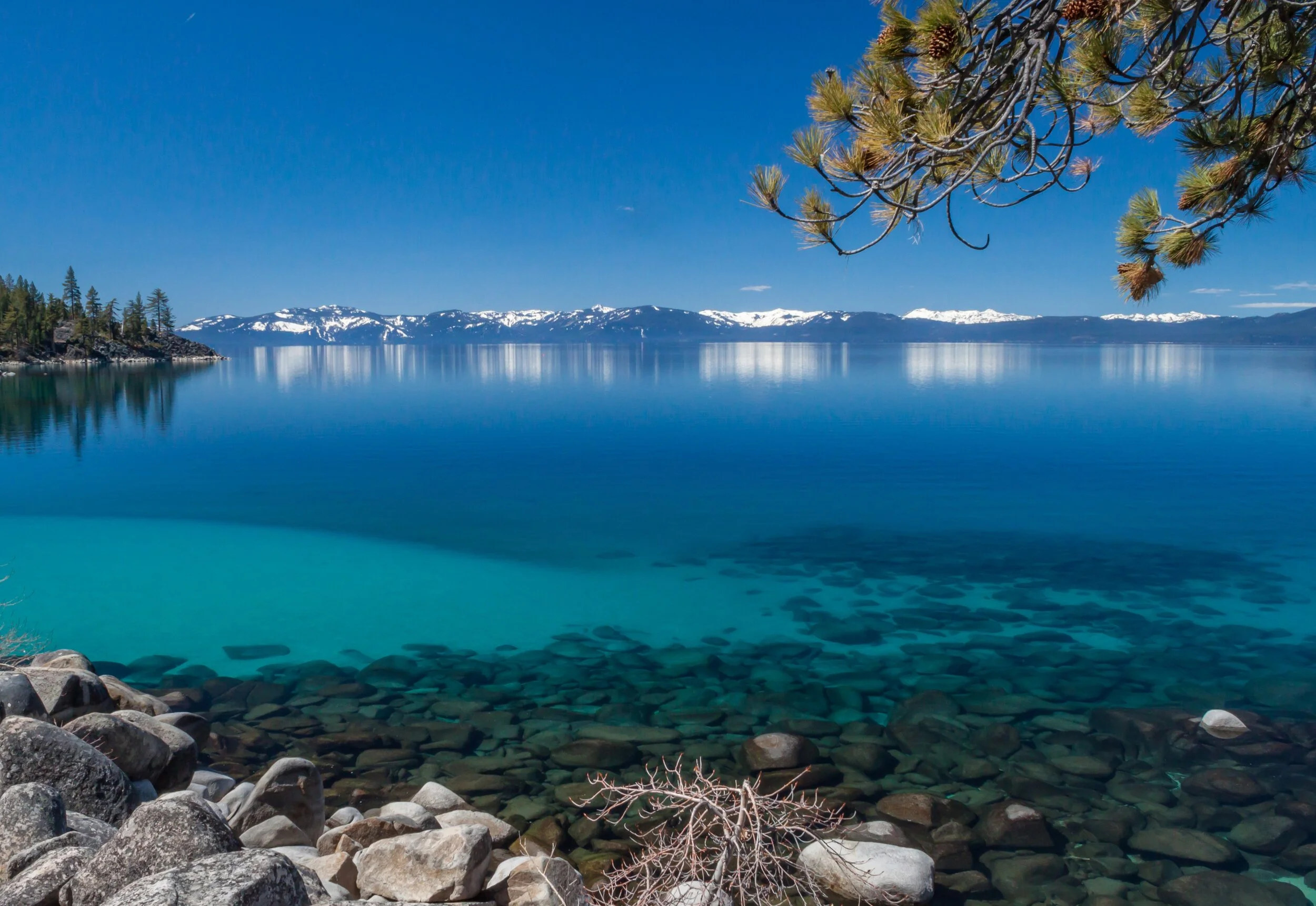
Climbing steep grades in warm weather stresses cooling systems. Ensure your radiator fluid is topped off and the battery terminals are clean. Mountain towns have limited mechanic availability, so verify your vehicle is ready before leaving the valley floor.


As an Amazon Associate, we may earn from qualifying purchases.
Plan for ownership costs
Renting a boat or renting a cabin is the obvious path, but many visitors underestimate the hidden costs of owning or long-term leasing gear for a Lake Tahoe summer. If you are considering buying a kayak, paddleboard, or even a small cabin rental agreement, the upfront price is only the beginning. The real expense lies in the maintenance, storage, and the inevitable wear and tear from high-altitude sun and cold water.
Consider the cost of a mid-range kayak. You might find a durable model for a few hundred dollars, but you will need a roof rack, a secure trailer, and insurance. Then there is the annual maintenance: UV protectant for the hull, checking for leaks, and proper winterization if you store it in the Sierra Nevada mountains. Without these steps, the sun can degrade the material faster than the water ever could.
This is why "cheap" often becomes expensive. A low-cost inflatable paddleboard might save money today, but if it punctures every few outings, the replacement costs add up quickly. Similarly, a budget cabin rental might lack proper insulation or heating, leading to uncomfortable nights and higher utility bills or comfort compromises. Always calculate the total cost of ownership, not just the sticker price.


As an Amazon Associate, we may earn from qualifying purchases.
When comparing options, look for products with warranties that cover UV damage and punctures. This can significantly reduce your long-term ownership costs. Always check if the manufacturer offers a replacement guarantee for the first year. This simple step can turn a risky purchase into a reliable investment for your Lake Tahoe adventures.
Lake tahoe: what to check next
Lake Tahoe is a large destination, so planning around logistics and seasonal constraints is essential. Here are the most common practical questions travelers ask before booking their trip.
What is the best time of year to visit?
Summer (June through August) offers the warmest weather and full access to water activities, but it is also the busiest and most expensive season. For fewer crowds and pleasant hiking weather, late spring (May) and early fall (September) are often the sweet spots. Winter transforms the lake into a world-class ski destination, though summer activities are limited.
Is Lake Tahoe safe to drink from?
No. While the water is famously clear, you cannot drink directly from the lake or most streams. The clarity is due to low algae and sediment, not filtration. Always use treated water from your lodging or buy bottled water. If you are hiking backcountry, you must filter or boil stream water to avoid parasites like giardia.
Do I need a 4WD vehicle?
You do not need a four-wheel-drive vehicle to access the main highway and most popular beaches. Standard sedans and SUVs handle the paved roads fine. However, if you plan to explore high-elevation fire roads or remote trailheads, a 4WD is necessary. Always check road conditions with the California Department of Transportation (Caltrans) before heading to higher passes.
Is there cell service everywhere?
Cell service is spotty. Major carriers have coverage in South Lake Tahoe, Incline Village, and along Highway 50 and 89, but signal drops frequently in canyons and near the water. Download offline maps and your accommodation details before you leave town. Wi-Fi is generally reliable at hotels and most restaurants, but not at campsites or on the trail.
No comments yet. Be the first to share your thoughts!