

Pack for High-Altitude Sun
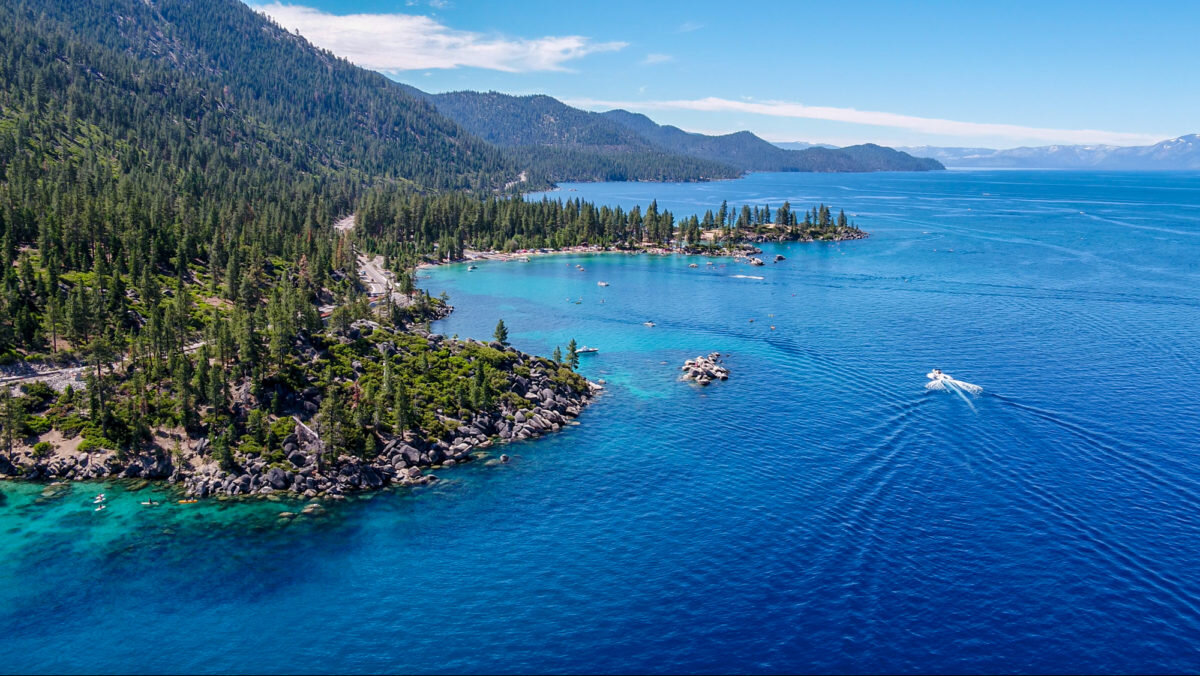
Lake Tahoe sits at 6,225 feet, where the air is thinner and the sun is far more aggressive than at sea level. UV radiation increases by 10-12% for every 1,000 meters of elevation, meaning standard beach sunscreen often isn't enough to protect your skin during a full day of hiking or boating. The combination of high-altitude UV exposure and the reflective glare off the lake's surface creates a unique environmental challenge that generic summer gear simply cannot handle.
To stay safe, you need gear specifically rated for intense mountain conditions. Broad-spectrum mineral sunscreens with zinc oxide or titanium dioxide offer better protection against the full UVA/UVB spectrum common at altitude. Pair this with wide-brimmed hats made from breathable, moisture-wicking fabrics and polarized sunglasses that block 100% of UVA and UVB rays. These items are not optional accessories; they are essential tools for surviving the Tahoe sun without damage.

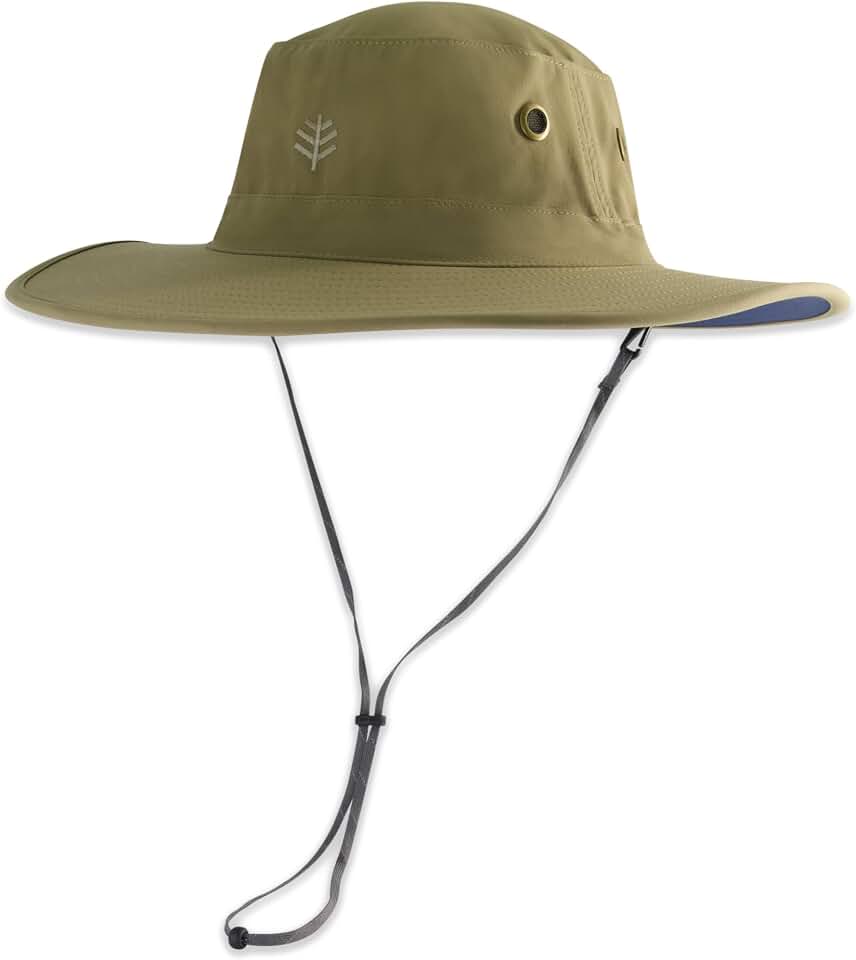
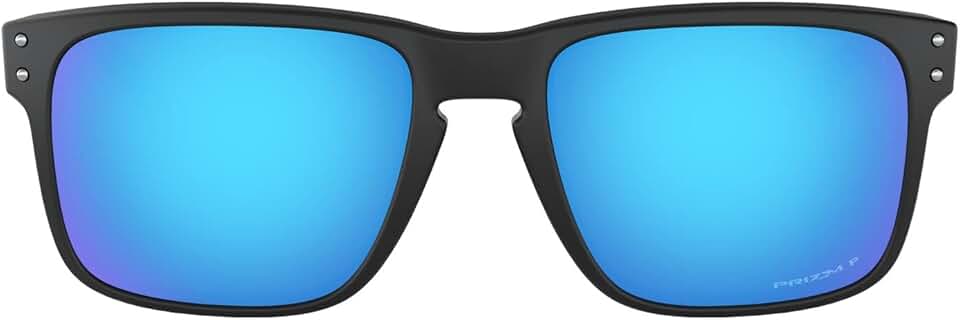

As an Amazon Associate, we may earn from qualifying purchases.
When selecting your gear, look for certifications like NSF or FDA approval for sunscreens, and UPF 50+ ratings for clothing. This specific focus on high-altitude protection ensures you can enjoy the lake and trails without the aftermath of sunburn or long-term skin damage.
Footwear for volcanic trails
The high-elevation trails around Lake Tahoe, particularly those leading to Vikingsholm and Emerald Bay, are defined by ancient volcanic rock. The terrain is rugged, uneven, and often loose, making standard sneakers a liability. Your footwear choice dictates whether you enjoy the hike or spend the afternoon nursing sore ankles and blisters. You need to decide between the agility of trail runners and the protective stability of hiking boots.
Trail runners are ideal for the majority of Tahoe’s summer day hikes. They offer superior breathability in the dry summer heat and dry out quickly if you cross a stream. Their flexible soles allow for better balance on narrow, rocky ridges. Look for models with aggressive lugs for grip on loose scree and a rock plate to protect your feet from sharp volcanic stone.
Hiking boots are better suited for heavy packs, wet conditions, or ankle-prone hikers. The higher cuff and rigid structure provide support on steep, uneven descents. However, they are heavier and take longer to break in. If you plan to carry a full day’s supply of water and gear, or if you have a history of ankle instability, the added protection is worth the extra weight.


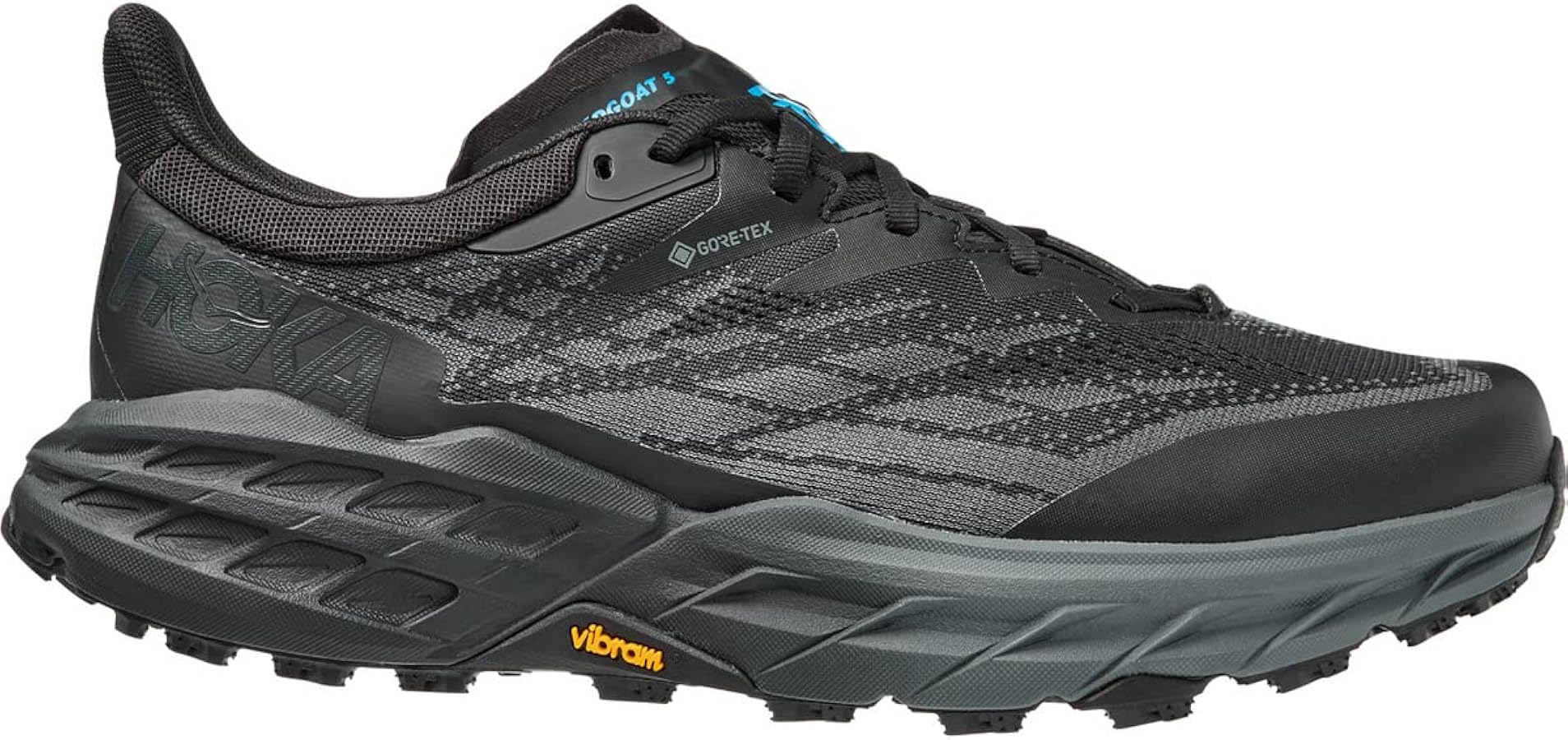
As an Amazon Associate, we may earn from qualifying purchases.
Best Gear for Lake Tahoe Water Sports
Lake Tahoe’s crystal-clear water is perfect for paddleboarding and kayaking, but the gear you choose makes or breaks the experience. The lake’s high altitude and sudden wind shifts demand equipment that balances durability with portability. You need boards that won’t flex excessively in chop and kayaks that pack down easily for the drive back to your rental.
We’ve selected top-rated inflatable and hard-shell options that handle the Tahoe environment well. These picks focus on stability for beginners and performance for seasoned paddlers.
Top iSUP and Kayak Picks


As an Amazon Associate, we may earn from qualifying purchases.
Comparison: Which Board Suits Your Trip?
Choosing between an inflatable SUP and a kayak often comes down to your storage space and stability needs. The table below compares three popular iSUP models often recommended for Tahoe’s larger bays.
| Model | Weight | Stability | Price Range |
|---|---|---|---|
| Bluefin Cruise 10.6 | 28 lbs | High | $600-$800 |
| iROCK Navigator 11 | 25 lbs | Medium-High | $500-$700 |
| Tahoe X Pro 11 | 30 lbs | Medium | $400-$600 |
Quick Packing Checklist
Before heading out, ensure you have these essentials in your gear bag:
-
Pump with pressure gauge (aim for 15-20 PSI)
-
Leash attached to your ankle
-
Personal flotation device (PFD)
-
Water-resistant dry bag for phone and keys
-
Sunscreen and sunglasses with strap
Hydration and Camp Essentials
The dry mountain air at 6,200 feet accelerates dehydration, making water management the most critical part of your Lake Tahoe summer planning. Hiking and paddleboarding in the sun can deplete fluids faster than you realize, so carrying sufficient water is non-negotiable. We recommend starting with an insulated water bottle to keep drinks cold and a portable cooler for campsite refreshments.


As an Amazon Associate, we may earn from qualifying purchases.
Insulated bottles maintain temperature for hours, ensuring you have cool water even after a long hike. A 16-quart cooler is ideal for day trips, holding enough ice and drinks to sustain a small group without weighing down your vehicle. For active pursuits like kayaking or SUP, a hands-free bottle like the CamelBak Chute Mag prevents spills and keeps hydration accessible while you paddle.
Frequently Asked Questions About Tahoe Gear
What gear do I need for swimming in Lake Tahoe?
Lake Tahoe’s water stays cold year-round, typically ranging from 65°F to 72°F even in peak summer. This temperature requires more than just a swimsuit. A wetsuit is the most effective gear for maintaining comfort during extended swims or paddleboarding sessions.
As an Amazon Associate, we may earn from qualifying purchases.
Is sun protection sufficient with standard sunscreen?
The high elevation at Lake Tahoe (6,225 feet) intensifies UV exposure by approximately 10-12% for every 1,000 feet of elevation gain. Standard sunscreen often isn't enough when combined with intense reflection off the clear water and snow. You need high-SPF, water-resistant sunscreen paired with physical barriers.
As an Amazon Associate, we may earn from qualifying purchases.
What footwear is best for Tahoe's rocky terrain?
Most Tahoe beaches, like Kings Beach or Sand Harbor, feature loose stones and sharp rocks rather than soft sand. Canvas sneakers will wear out quickly and offer little protection. Sturdy water shoes or hiking sandals with closed toes are essential for navigating the shoreline safely.
As an Amazon Associate, we may earn from qualifying purchases.
No comments yet. Be the first to share your thoughts!