
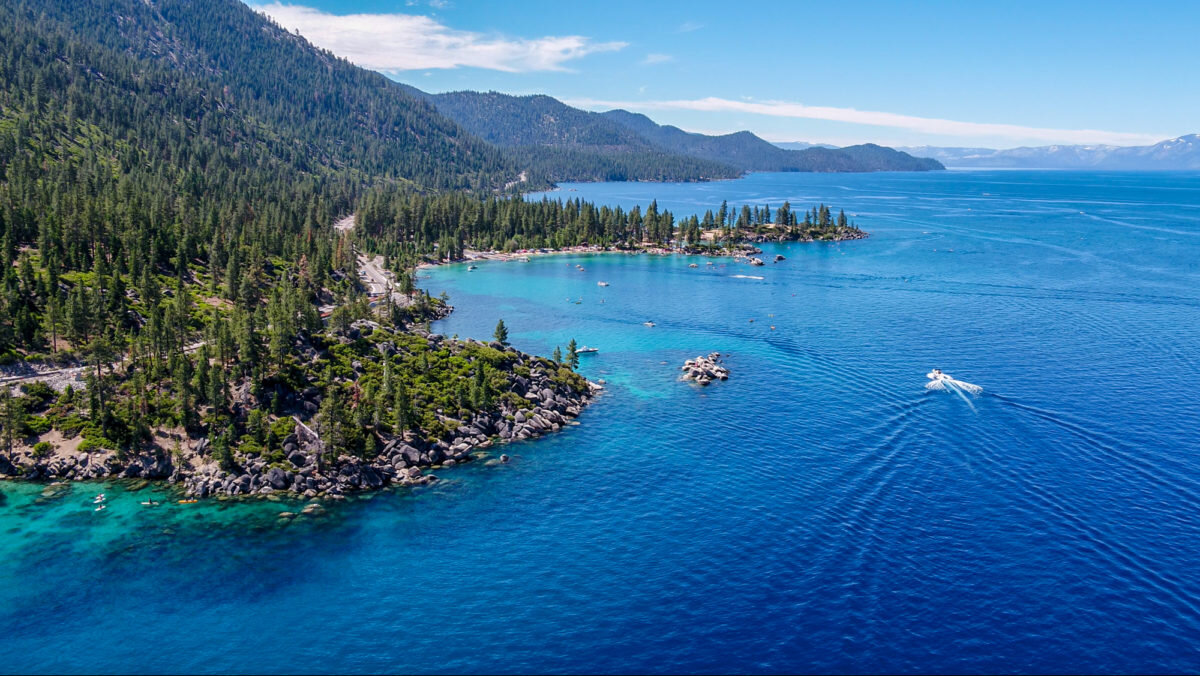

Plan your Lake Tahoe summer itinerary
Lake Tahoe summer offers a distinct rhythm compared to other mountain destinations. The high altitude—6,225 feet above sea level—creates a crisp, energetic atmosphere that demands respect. Sun protection and hydration aren't just suggestions here; they are daily necessities. The thinner air means you burn calories faster, whether you are hiking the Tahoe Rim Trail or paddling the crystal-clear waters.
A well-balanced itinerary mixes high-energy water sports with relaxed dining and scenic hikes. Mornings are best reserved for the lake. The water is calmest before the afternoon winds pick up, making it the ideal window for stand-up paddleboarding or kayaking. Afternoon heat often drives visitors inland to shaded trails or into air-conditioned restaurants, where local breweries and farm-to-table cafes provide a necessary respite.
Evenings bring a different energy. As the sun dips behind the Sierra Nevada peaks, the temperature drops quickly. This is the time for lakeside dining or exploring the lively towns of South Lake Tahoe and Incline Village. By structuring your days around these natural rhythms—active mornings, relaxing afternoons, and social evenings—you can experience the full spectrum of what a Lake Tahoe summer has to offer without burning out.
Top water sports and hiking gear
Lake Tahoe’s 122 square miles of alpine water and surrounding peaks demand specific equipment to stay safe and comfortable. The high altitude and variable weather mean that standard summer gear often falls short. You need durable, high-visibility items that can handle intense UV exposure and sudden temperature drops.
Essential Paddleboarding and Kayaking Gear
Paddleboarding and kayaking are the most popular ways to experience the lake. The water is exceptionally clear, which is beautiful but offers no thermal insulation. A 3/2mm wetsuit or a full-length rash guard is necessary to prevent hypothermia, even on warm days. Pair this with high-SPF, waterproof sunscreen, as the reflection off the water doubles your exposure.
For stability and safety, choose a board with a wide, inflatable design if you are a beginner. A leash is non-negotiable; falling off in open water without one means chasing your board while fighting currents. If you are kayaking, a personal flotation device (PFD) that fits snugly is required by law and common sense.




As an Amazon Associate, we may earn from qualifying purchases.
Hiking Essentials for High-Altitude Trails
Hiking in Lake Tahoe involves steep ascents and thin air. The trails range from gentle lakeside walks to strenuous climbs like Eagle Falls or Mount Rose. Proper footwear is critical; sturdy hiking boots with good traction prevent slips on loose gravel and rocky terrain. Ankle support is recommended for the more rugged paths.
Carry at least two liters of water per person. The dry mountain air dehydrates you quickly, and there are very few water sources on the trails. A daypack with a hydration bladder allows you to sip frequently without stopping. Don’t forget a basic first-aid kit, a map, and a lightweight windbreaker, as weather can change rapidly in the Sierra Nevada.


As an Amazon Associate, we may earn from qualifying purchases.
Sun and Safety Protections
The sun at 6,200 feet is significantly stronger than at sea level. A wide-brimmed hat and polarized sunglasses are essential to protect your eyes and face from glare off the water and snow. Polarized lenses reduce eye strain and help you see into the clear water below.
Always check the weather forecast before heading out. Thunderstorms can develop quickly in the afternoon, especially in July and August. If you hear thunder, leave the water and high peaks immediately. Seek shelter in your vehicle or a lower elevation forested area. Let others know your planned route and expected return time.
Best restaurants for summer dining
Finding the right place to eat in Lake Tahoe during peak season requires a bit of strategy. The best spots offer outdoor seating where you can soak in the alpine air while waiting for your meal. Whether you are craving wood-fired pizza or fresh seafood, prioritizing patio reservations ensures you get a table without spending the whole evening in line.
Base Camp Pizza Co. in South Lake Tahoe has become a local staple for its casual, high-quality pies. Their outdoor patio is spacious and family-friendly, making it a reliable choice after a long day on the trails. The menu features classic combinations alongside more adventurous toppings, all cooked in a wood-fired oven that adds a distinct smoky flavor to every slice.
For a slightly more upscale experience with stunning lake views, FiRE + iCE Tahoe in Stateline offers a sophisticated menu paired with a lively atmosphere. Their outdoor deck provides a perfect vantage point for sunset watching. The kitchen focuses on fresh, seasonal ingredients, ensuring that every dish feels appropriate for the warm summer weather. Reservations here fill up quickly, so booking ahead is essential.
Lake Tahoe summer weather and what to pack
Lake Tahoe sits at 6,225 feet, meaning the summer climate operates on a mountain clock rather than a coastal one. Mornings are crisp and cool, often requiring a light layer even when the sun is high. By midday, the lake reflects intense UV rays, making the air feel warm and dry. The most unpredictable element is the afternoon sky; dry thunderstorms can roll in quickly from the Sierra Nevada foothills, bringing sudden gusts and brief downpours.
Packing for this environment means preparing for four seasons in a single day. A waterproof windbreaker is essential, not just for rain, but for the biting chill that hits when clouds move over the water. Quick-dry fabrics outperform cotton, which stays cold and heavy if you get splashed or caught in a shower.
Lake Tahoe summer packing essentials
Bring specific items that handle the temperature swing and lake conditions.
- Merino wool base layers: Thin enough for summer heat but warm enough for chilly dawn hikes.
- Water shoes or sandals with grip: The rocky lake shores are slippery; standard flip-flops offer no traction.
- Wide-brim sun hat: High altitude sun is stronger; shade is your best defense against heat exhaustion.
- Lightweight rain shell: A packable jacket that fits in your daypack for sudden afternoon storms.
-
Waterproof windbreaker
-
Moisture-wicking socks
-
Sunscreen (SPF 50+)
-
Reef-safe sunscreen
-
Hydration bladder or water bottle
-
Lightweight rain jacket
-
Hiking boots with grip
-
Swimwear and quick-dry towel
Frequently asked questions about Lake Tahoe summer
Planning a trip to the Sierra Nevada requires balancing outdoor ambition with practical logistics. These answers address the most common questions travelers ask when booking a Lake Tahoe summer vacation, focusing on activity viability, dining hotspots, and safety.
Is Lake Tahoe worth visiting in summer?
Yes, but it is best for travelers who want active recreation rather than relaxation. The lake is too cold for lounging on the shore, and the high-altitude sun requires serious sun protection. The experience shines when you use it as a base for hiking, paddleboarding, or skiing at Heavenly. If you prefer warm beach weather, consider that the water temperature rarely exceeds 65°F (18°C) even in peak July heat.
What are the best restaurants in Lake Tahoe?
Dining here is split between high-end resorts and casual lakefront spots. For a memorable meal, Base Camp Pizza Co. in South Lake Tahoe offers large, wood-fired pies in a lively atmosphere. FiRE + iCE Tahoe provides a more upscale, modern twist on American cuisine with a focus on locally sourced ingredients. For a quick breakfast before heading out, Creative Crêpes is a reliable local favorite known for fresh, made-to-order options.
Can I swim in Lake Tahoe in July?
You can swim, but you will need a wetsuit. The lake is fed by snowmelt and mountain runoff, keeping average temperatures between 50°F and 65°F (10°C–18°C). Most visitors opt for paddleboarding or kayaking, which keep you out of the water longer. If you do jump in, expect a shocking cold plunge that lasts only a few minutes before you need to warm up.
What's the biggest fish in Lake Tahoe?
Lake Tahoe is home to several large species, including Kokanee salmon, Mackinaw trout, and Rainbow trout. The record for the largest Rainbow trout caught in the lake is over 30 pounds. However, fishing regulations are strict to protect the ecosystem. Always check the current Nevada and California fishing regulations and practice catch-and-release for most species to maintain the lake's health.
No comments yet. Be the first to share your thoughts!