

Lake Tahoe summer budget
Lake Tahoe is a destination where the cost of access scales directly with the quality of the view. A summer trip here requires balancing gear rental, dining, and parking against your comfort level. You can enjoy the lake for free by sticking to public trails, but convenience usually comes with a premium.
Gear and Rentals
Water sports define the summer experience, but buying equipment is rarely worth it for a single visit. Renting from local vendors offers flexibility, though prices surge on weekends. For those planning multiple days, purchasing used gear from online marketplaces or local surplus stores often pays off. Essential items include water shoes for rocky shores and dry bags for electronics.


As an Amazon Associate, we may earn from qualifying purchases.
Dining Costs
Dining in Tahoe varies wildly by location. South Lake Tahoe offers more affordable chain options and casual eateries, while North Lake Tahoe leans toward upscale resorts. Parking at popular spots like Sand Harbor or Emerald Bay can cost $10–$25 per day. To save, eat lunch at trailheads or grab groceries from local markets like Safeway or Walmart, then picnic on public beaches.
Parking and Fees
Many popular beaches require paid parking during peak season. The Nevada side often has free parking further from the shore, requiring a short walk. The California side is stricter with permits. Consider staying in campgrounds outside the immediate lakefront to avoid daily parking fees, though this adds a commute to activities.
Trade-offs
The biggest trade-off is convenience versus cost. Paying for a resort room means easy beach access but high nightly rates. Camping is cheaper but requires advance booking and carries bear risks. Balancing these factors early in your planning phase ensures you don't overspend on logistics, leaving more budget for experiences like boat tours or guided hikes.
Shortlist real options
The Lake Tahoe works best as a clear sequence: define the constraint, compare the realistic options, test the tradeoff, and choose the path with the fewest hidden costs. That order keeps the advice usable instead of decorative. After each step, pause long enough to check whether the recommendation still fits the reader's actual situation. If it depends on perfect timing, unusual access, or a best-case budget, include a simpler fallback.
| Factor | What to check | Why it matters |
|---|---|---|
| Fit | Match the option to the primary use case. | A good deal still fails if it does not fit the job. |
| Condition | Verify age, wear, and service history. | Hidden condition issues erase upfront savings. |
| Cost | Compare purchase price with likely upkeep. | The cheapest option is not always the lowest-cost option. |
Inspect the expensive parts
Lake Tahoe’s summer activities often involve high-cost rentals and gear. A quick pre-trip check prevents costly surprises. Focus on the components that fail most often or carry the highest replacement fees.
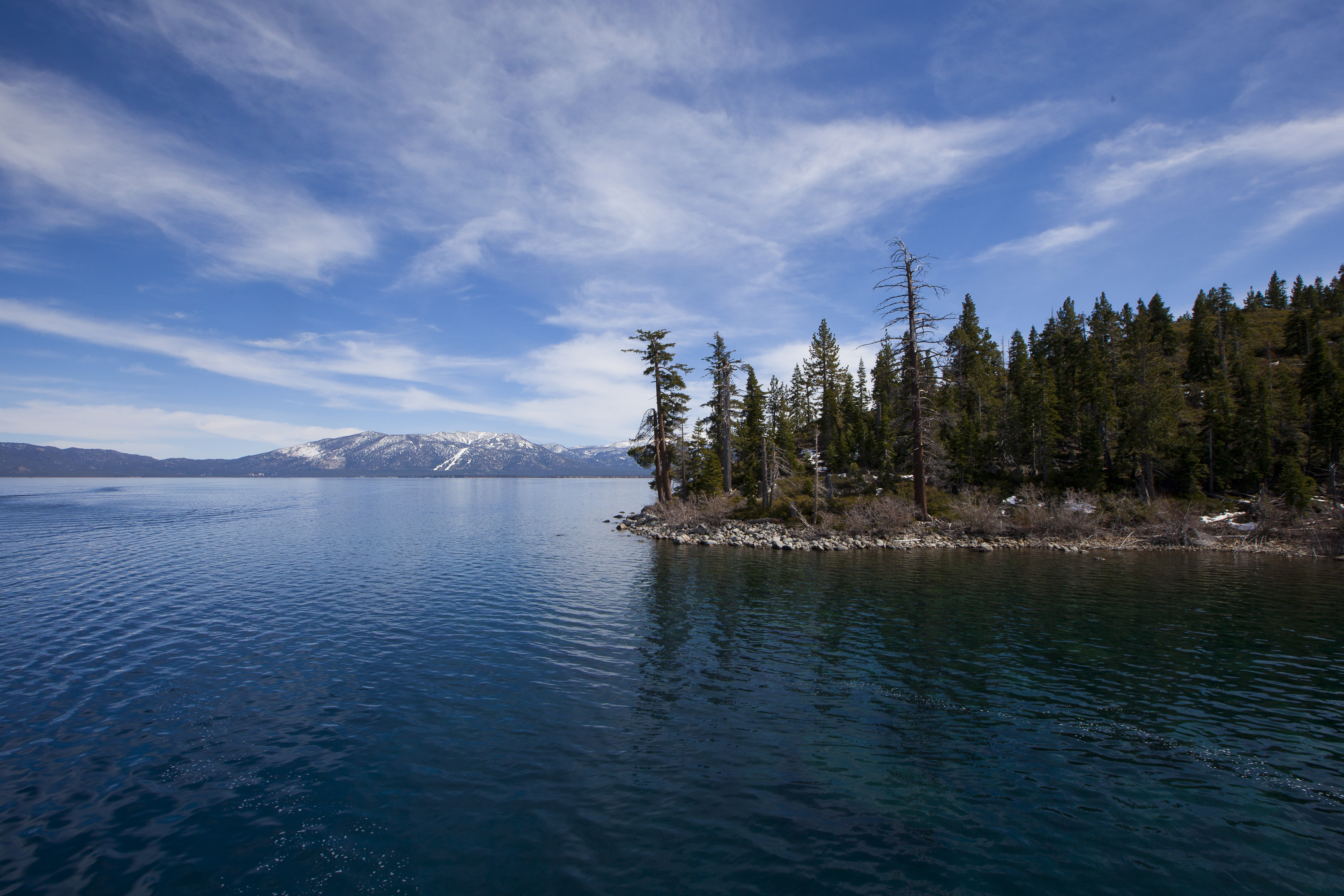
Before signing, inspect the hull for deep scratches or cracks that could lead to liability fees. Test the GPS and fish finder. If the screen is cracked or the battery is dead, ask for a replacement unit immediately. These electronics are expensive to repair and often excluded from basic coverage.
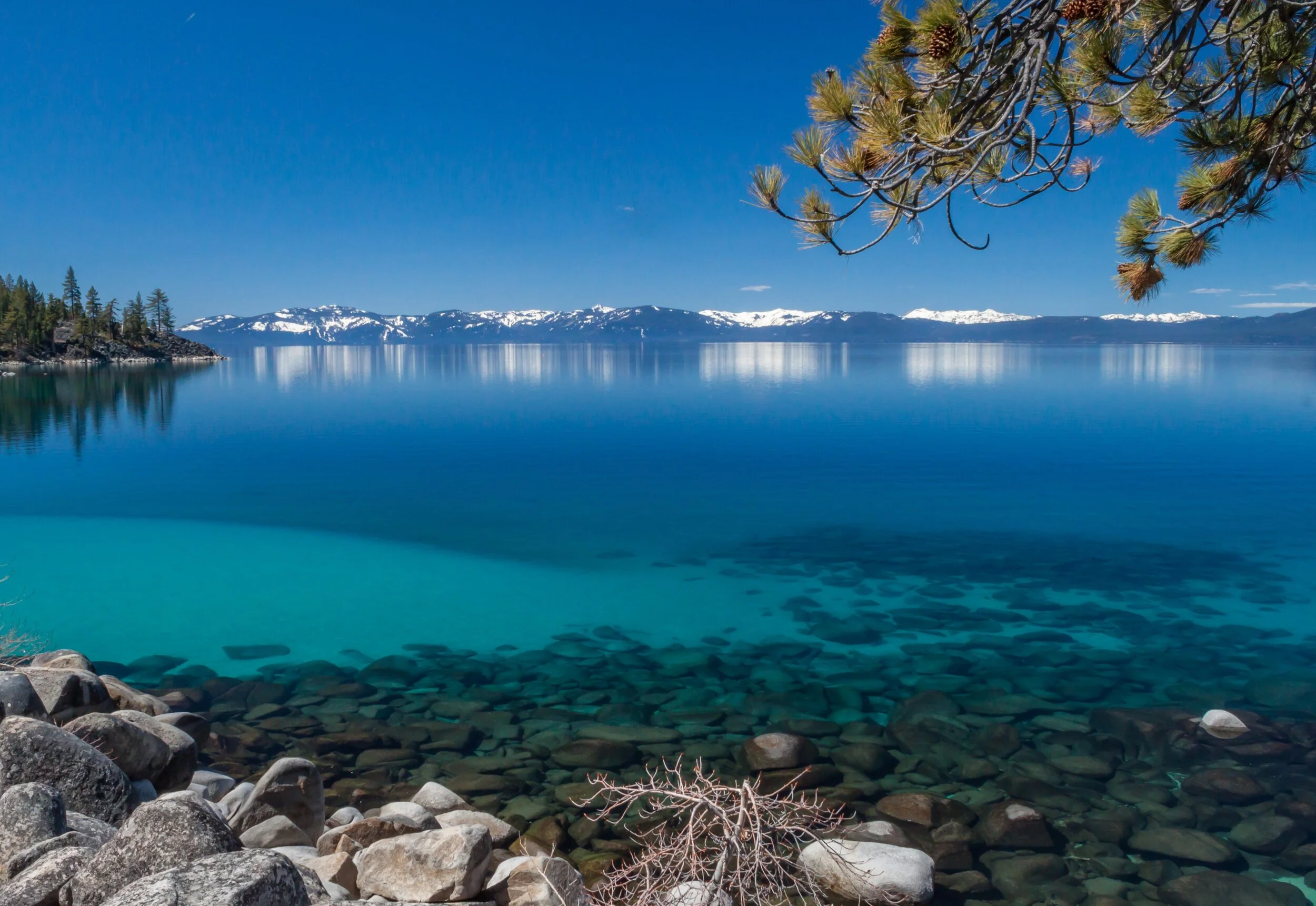
For SUP rentals, check the leash attachment points for fraying. Ensure the valve cap is secure and the board holds pressure overnight. A slow leak means a ruined day and potential damage fees. Bring your own pump if the rental doesn’t provide one, as rental pumps are often weak or broken.
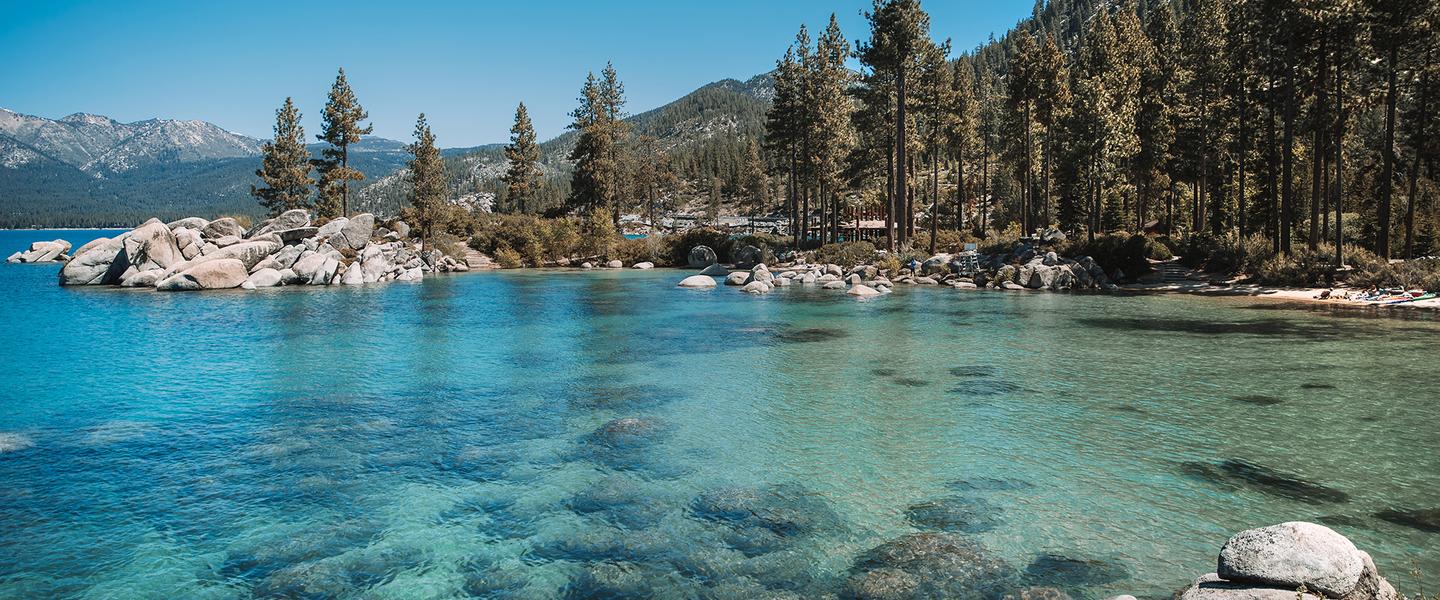
Don’t assume the provided PFD fits. Check for broken buckles, torn straps, or mold inside the foam. A poorly fitting life jacket is unsafe and may be rejected by coast guard inspections, leading to fines or activity cancellation. Request a fresh fit if anything looks worn.
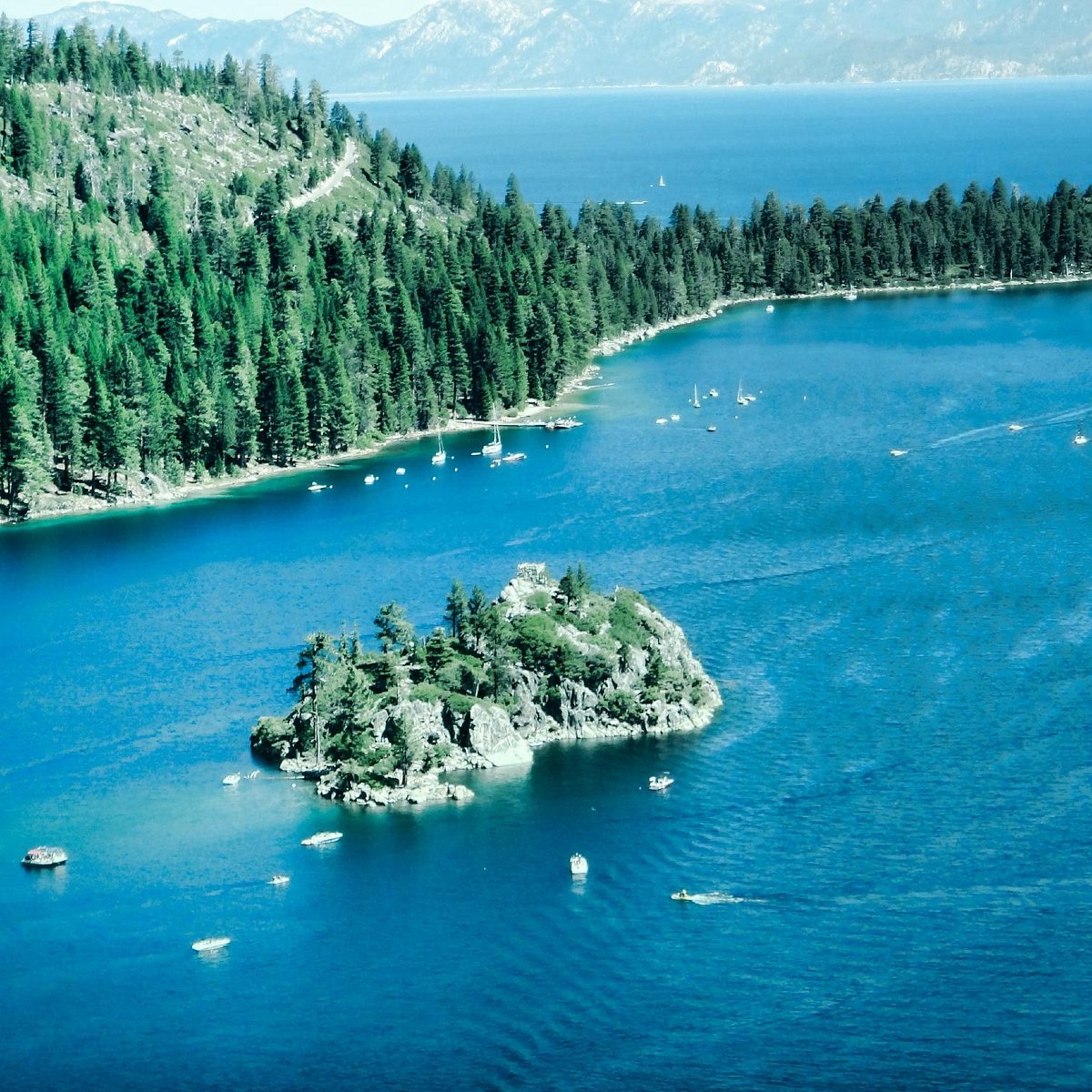
Kayaks often have broken seats or stuck rudders. Sit in the kayak before launching. Ensure the rudder moves freely and the seat is stable. A broken rudder makes paddling into the wind exhausting and dangerous. Report issues before leaving the dock.


As an Amazon Associate, we may earn from qualifying purchases.
Taking five minutes to inspect these parts saves hundreds of dollars in potential damage fees and ensures a safer, more enjoyable day on the water.
Plan for ownership costs
Owning gear for Lake Tahoe means budgeting for more than just the initial purchase. The high-altitude sun, dry air, and rough terrain accelerate wear on equipment that might last years in milder climates. A cheap kayak or tent that fails after one summer becomes more expensive than a mid-range model that lasts three.
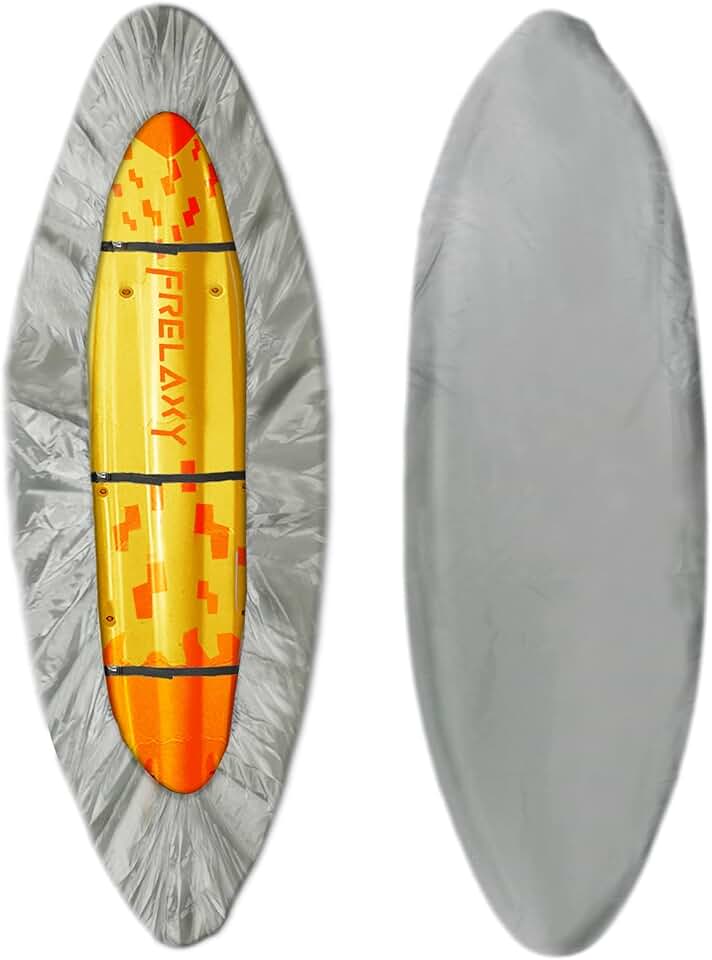
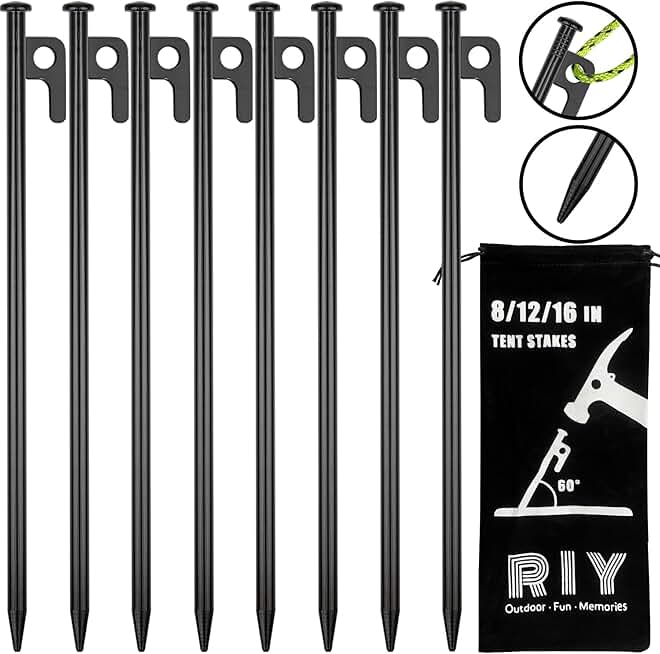
Maintenance is where the hidden costs appear. UV exposure fades fabrics and cracks seals faster here. You will need to budget for annual cleaning supplies, sealants, and replacement parts like pump valves or tent stakes. Ignoring these small upkeep tasks often leads to total replacement sooner than expected.
When evaluating a purchase, look at the cost per use rather than the sticker price. High-quality gear that handles the Tahoe environment well saves money over time. Cheap alternatives often lack the durability needed for rocky shorelines or intense sun exposure, leading to frequent repairs or early replacement.

As an Amazon Associate, we may earn from qualifying purchases.
Lake tahoe summer: what to check next
Planning a trip to Lake Tahoe involves balancing weather expectations, crowd levels, and activity availability. Here are the most common practical questions visitors ask before booking their summer getaway.
No comments yet. Be the first to share your thoughts!