

Pack for mountain weather shifts
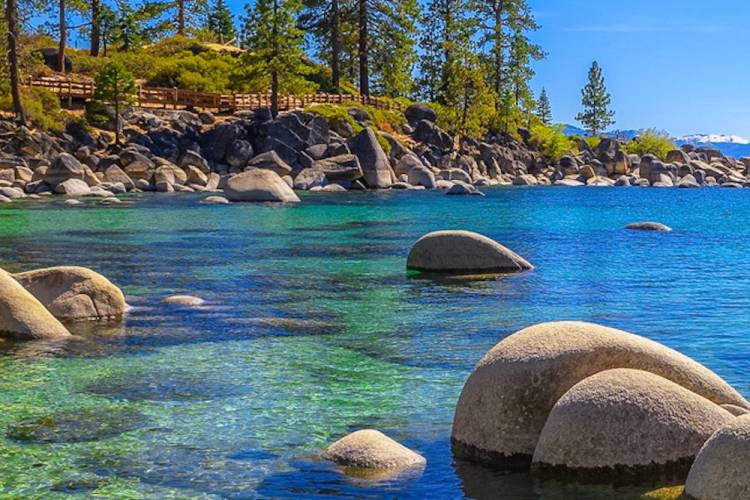
Lake Tahoe sits at 6,225 feet, where summer sun feels intense and mountain weather changes in minutes. You might start a hike at Sand Harbor in a t-shirt and end it near Vikingsholm in a windbreaker. The air is thin, the UV is strong, and the lake temperature stays surprisingly cold even in July and August.
Lake Tahoe water temperatures hover between 65°F and 72°F during peak summer. This is refreshing for a quick dip but quickly leaches body heat if you stay in long. You need gear that handles rapid shifts from 75°F sun to 50°F wind without weighing you down.
Your pack should prioritize layering over bulk. A lightweight, packable rain shell is non-negotiable; afternoon thunderstorms roll in fast on the Sierra Nevada slopes. Pair this with a moisture-wicking base layer and a fleece mid-layer. Avoid cotton entirely—it holds moisture and cold, turning a pleasant hike into a miserable one.
Don’t forget sun protection that works at altitude. The higher elevation amplifies UV exposure, so bring a wide-brim hat, polarized sunglasses, and reef-safe sunscreen. A simple headlamp is also wise in case your day on the trail or kayak extends past sunset.
Footwear for trails and shores
Lake Tahoe’s terrain demands a split personality in your footwear. The same pair of shoes that handles the granite slabs of the Tahoe Rim Trail will fail you on the rocky shores of Sand Harbor, while beach sandals are a liability on the rugged Desolation Wilderness trails. You need gear that bridges this gap without sacrificing performance on either front.
For the serious hiker, a lightweight trail runner with a sticky rubber outsole is the standard. The Sierra Nevada’s granite can be slick, especially near high-altitude passes like those on the Mount Tallac route. You want a shoe that grips wet rock but dries quickly if you cross a stream. Brands like Merrell and Salomon dominate this space with models designed specifically for high-alpine conditions.
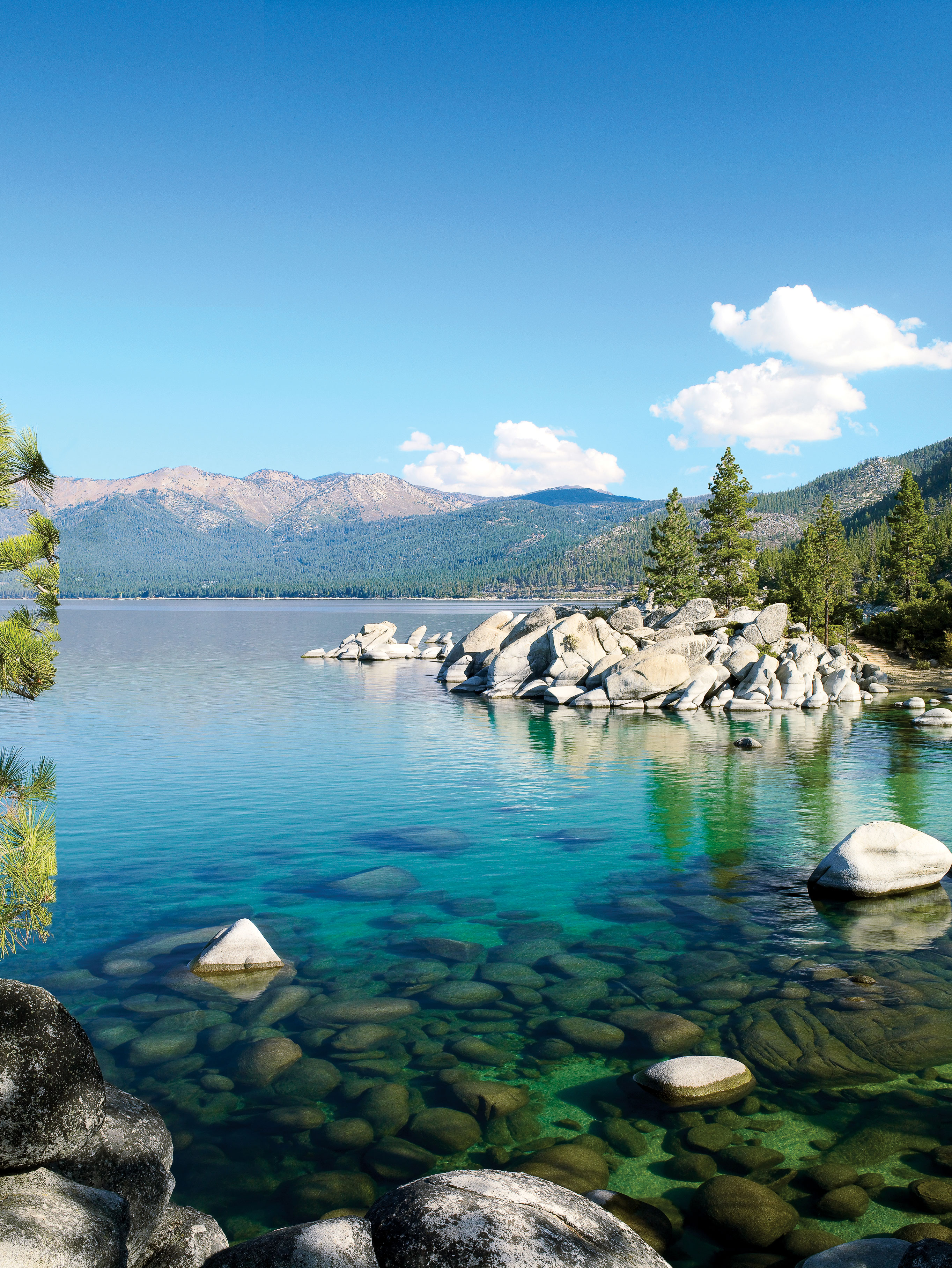
The Tahoe Rim Trail covers 165 miles of varied terrain. Choose a mid-cut hiking boot with ankle support if you are carrying a heavy pack. Look for Vibram soles for maximum traction on loose gravel and wet granite. Waterproof membranes like Gore-Tex are useful for morning dew but add weight.
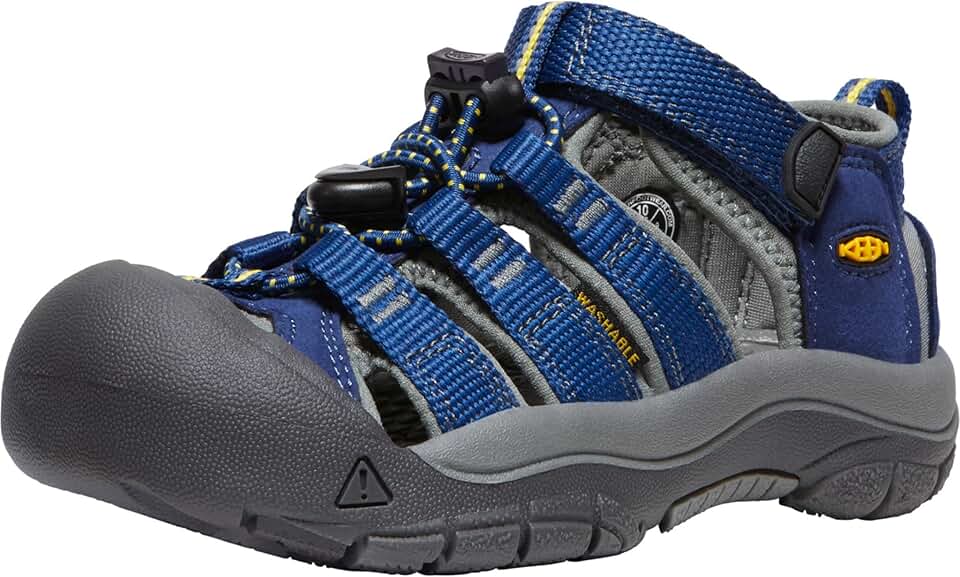
Accessing the best swimming spots often means navigating sharp, submerged rocks. Water shoes with neoprene socks and grippy rubber soles protect your feet from cuts and abrasions. They also provide traction on slippery boat ramps and lake shorelines where bare feet are dangerous.
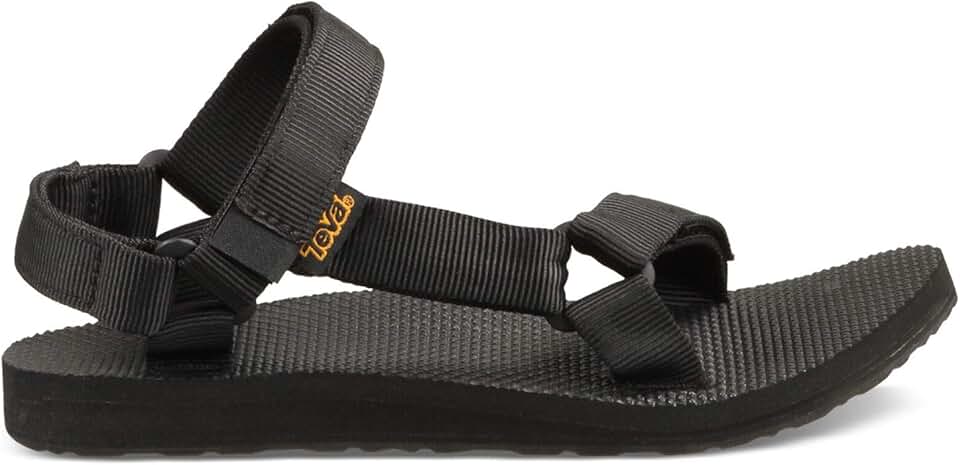
If you prefer a single shoe for both activities, look for "approach shoes" or rugged water sandals with heel straps. These offer more protection than flip-flops but dry faster than leather boots. They are ideal for day trips that involve hiking to a lake access point and then wading into the water.

As an Amazon Associate, we may earn from qualifying purchases.
Pack both types if your itinerary includes serious hiking. The weight difference is negligible in a daypack, and having the right tool for each environment ensures you stay comfortable and safe. Don’t rely on old sneakers; the combination of granite, sand, and water will wear them down quickly.
Water sports gear for the lake
Lake Tahoe’s alpine setting means the air can be warm while the water stays brisk, even in peak summer. The lake typically hovers between 65°F and 72°F, which feels refreshing on a hot day but can lead to rapid fatigue or cold shock if you aren’t prepared. Choosing the right gear for kayaking, paddleboarding, and swimming ensures you stay comfortable and safe while exploring spots like Sand Harbor or the shores near Vikingsholm.
For kayaking and stand-up paddleboarding, stability and warmth are the main priorities. A sit-on-top kayak offers more stability for beginners and allows water to drain easily if you capsize in the cold. When paddleboarding, a 6-inch thick board provides the necessary buoyancy and comfort on the often choppy lake surface. Because the water is cold, a 3mm wetsuit or a splash jacket is highly recommended to maintain body heat during longer outings.


As an Amazon Associate, we may earn from qualifying purchases.
Swimming in Tahoe is best reserved for the shallow, sandy beaches like Kings Beach or Commons Beach, where the water is slightly warmer and more protected from wind. Standard swimwear is usually insufficient for extended swimming; a swim cap provides essential head warmth, and water shoes protect your feet from rocky entry points. For those venturing out further, a bright-colored dry bag is essential for keeping towels and phones safe from the cold, clear water.
Sun and bug protection essentials
The high-altitude sun at Lake Tahoe is deceptive. At 6,225 feet, UV intensity increases significantly, and the reflection off the water at places like Sand Harbor doubles your exposure. You need more than just a light layer of lotion; you need gear that withstands long days on the trail or the lake. For hiking to Vikingsholm or lounging on the beach, broad-spectrum SPF 50+ sunscreen is non-negotiable. Look for mineral-based options with zinc oxide, which sit on top of the skin to reflect rays and are less likely to irritate eyes when you sweat or swim.
Insects are equally persistent. Mosquitoes and biting midges thrive in the damp, shaded areas near the lake's edge, especially in the early morning and evening. A reliable, non-greasy repellent containing 20-30% DEET or picaridin is your best defense. For a more natural approach, look for oil of lemon eucalyptus (OLE) options, which are EPA-registered and effective for several hours. Apply it to exposed skin and the cuffs of your pants and sleeves to keep bugs from crawling up.


As an Amazon Associate, we may earn from qualifying purchases.
For complete coverage, treat your clothing and gear with permethrin before your trip. This odorless, colorless insect repellent binds to fabric and remains effective through multiple washes. It is particularly useful for hiking socks, hats, and base layers. Combine this with a wide-brimmed hat and UV-blocking sunglasses to create a full barrier against the elements, allowing you to focus on the view rather than the irritation.
-
Apply mineral sunscreen 15 minutes before sun exposure
-
Treat hats and clothing with permethrin
-
Pack a small bottle of bug spray for evening hikes
-
Wear UV-blocking sunglasses with side shields
Lake Tahoe Summer Gear FAQ
Lake Tahoe’s high altitude creates a unique climate where air temperature and water temperature tell two very different stories. Understanding these conditions helps you pack the right gear for activities ranging from kayaking at Sand Harbor to hiking up to Vikingsholm.
Can I swim in Lake Tahoe in July?
Yes, but it is cold. Lake Tahoe typically reaches its warmest water temperatures in mid-July through August, hovering between 65°F and 72°F. While this is the most swimmable window, the water remains chilly even on the hottest days. A wetsuit is highly recommended for extended swimming, especially if you plan to paddle or kayak in the deeper bays.
How hot does it get in Tahoe in the summer?
Daytime highs generally range from 69°F to 77°F, creating ideal conditions for outdoor activities. However, the sun is intense at this elevation. Bring high-SPF sunscreen, polarized sunglasses, and a wide-brimmed hat. The air is also dry, so stay hydrated with a durable water bottle or hydration pack.
Do I need layers for summer evenings?
Absolutely. Mountain weather changes quickly, and temperatures can drop significantly after sunset. Even in July, evenings can feel crisp. Pack a lightweight fleece or windbreaker for your day hikes or evening walks along the shore to stay comfortable as the sun goes down.
No comments yet. Be the first to share your thoughts!